
Freezer labels
The paper survives the cold. The glue is what fails.
The short answer: a freezer label is defined by its adhesive, not by its face material. Ask for a freezer-grade adhesive — it bonds on a cold, slightly damp surface from about −20 °C and holds in service down to −40 °C, where a standard permanent adhesive lifts within hours. For liquid nitrogen storage, a −196 °C film exists. From 100 labels per design.
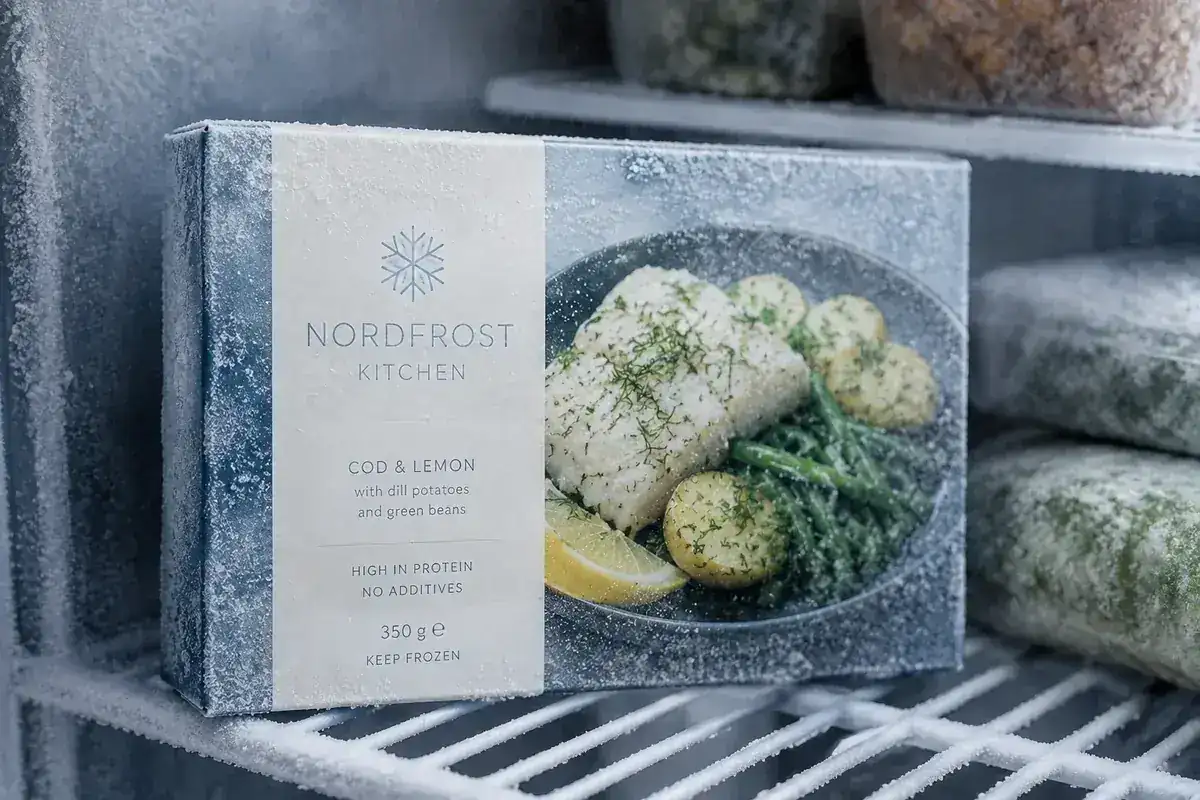
Materials
Four freezer materials, and what each one is for
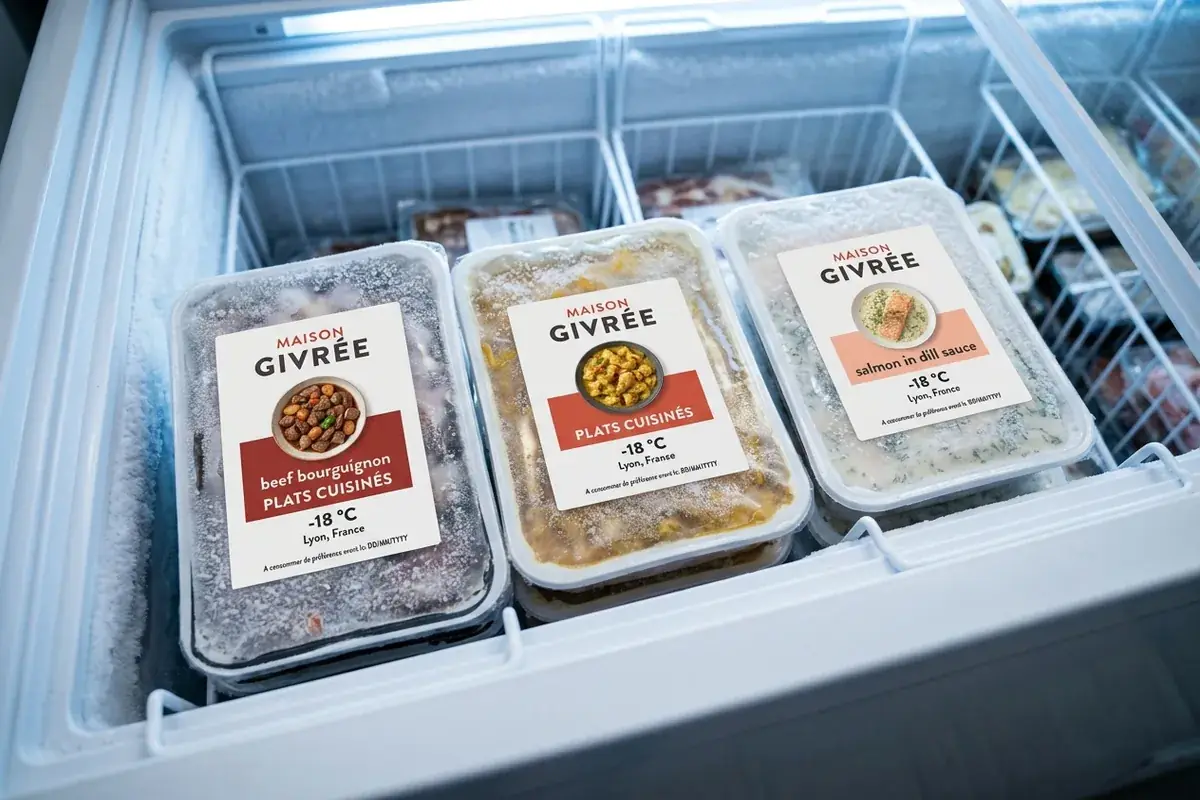
Freezer coated paper
Full-colour printing on a white coated paper with a deep-freeze adhesive. The everyday choice for frozen ready meals, ice cream tubs and butcher packs kept at −18 °C.
from €182 / 100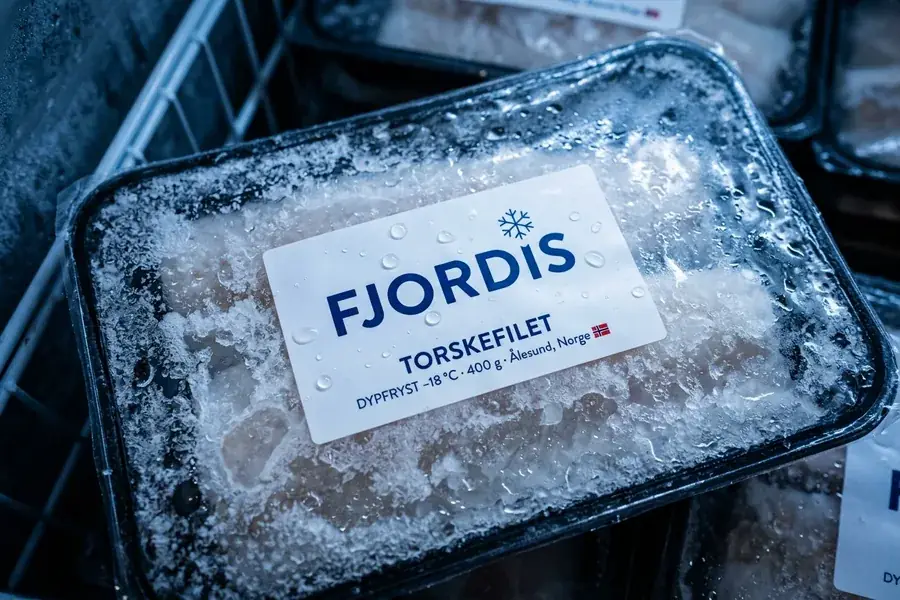
Freezer polyethylene film
Where paper gets soaked: blast freezing, ice crystals, packs that go in and out of the cold. A flexible white film with a gloss varnish, printed full colour.
from €176 / 100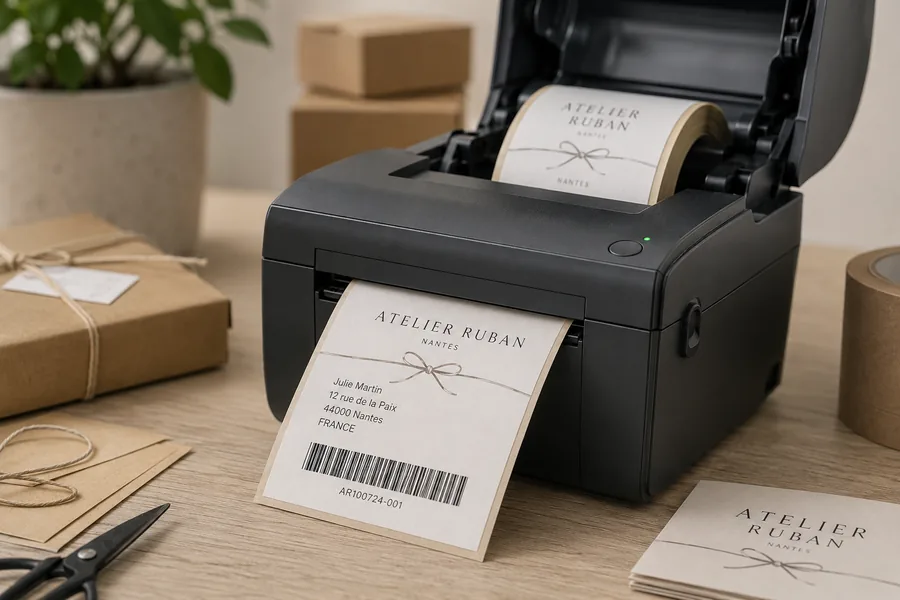
Thermal & overprintable
Your design printed by us, a coated panel left free for the date and the lot you add as you pack. The protected thermal paper resists the moisture of a chilled room.
from €183 / 100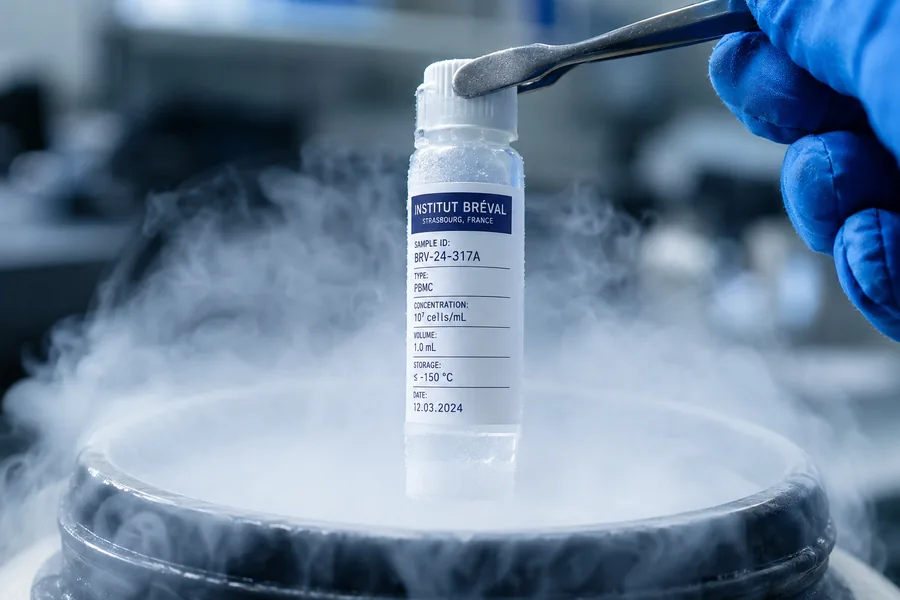
Cryogenic blank rolls
Polypropylene raflex rated for liquid nitrogen — vials, cryoboxes, sample libraries. Supplied blank for your laboratory printer; printed runs on request.
from €65 / 100Production runs 4 to 10 working days once the proof is approved, then delivery across Europe and the UK.
Choosing
Match the material to the coldest moment
| Storage condition | Face material | Adhesive | Apply at |
|---|---|---|---|
| Chilled, +2 to +8 °C | Coated paper or PP film | Standard permanent | Room temperature, dry surface |
| Frozen, −18 to −25 °C | Freezer coated paper | Freezer-grade | Before freezing, ideally |
| Blast freezing, ice crystals | Polyethylene film | Freezer-grade | On a cold or damp surface |
| Deep-freeze storage, −40 °C | Polyethylene film | Freezer-grade | Down to about −20 °C |
| Liquid nitrogen, −196 °C | PP raflex cryogenic | Cryogenic permanent | Before immersion, at room temperature |
| Freeze then wash, returnable trays | Coated paper | Removable or wash-off | Room temperature |
Not sure which line you are on? Describe the pack, the temperature and the moment you label it in a custom request — a specialist answers within 2 working hours.
The rule nobody tells you
Label warm, freeze after
An adhesive is a liquid that stops flowing. It needs a few minutes and a little warmth to wet the surface of the pack before it sets — that is the bond. Apply a label to a box that has already been in the freezer, and the glue freezes before it has flowed anywhere: it looks stuck, and it drops off three days later in the display cabinet.
So the order matters more than the price: label the pack at room temperature, give it five minutes, then freeze. Where your line cannot do that — labelling inside the cold room, or on packs coming out of a blast tunnel — you need a freezer-grade adhesive rated for cold application, and we spec it for you.
- Material
- Freezer coated paper
- Size
- 75 × 50 mm
- Finish
- Gloss varnish
- Adhesive
- Freezer-grade permanent
- Service range
- −40 °C to +40 °C
- Variable data
- Lot + use-by date
- Quantity
- 1 000 labels
An example of a real order. Quantities are not capped — we print from a hundred pieces to several million.
You print the dates
Two ways to keep the date off the marker pen
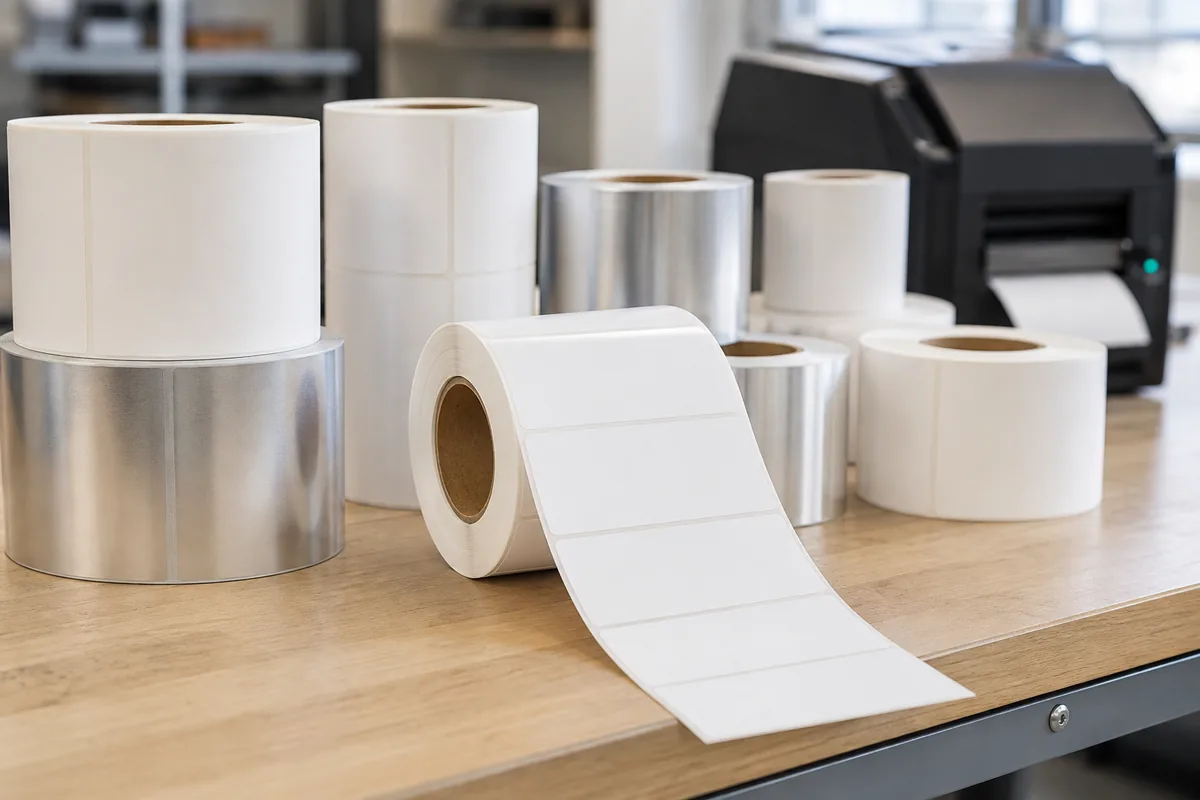
Blank rolls
Unprinted freezer stock on rolls: your printer does the whole label. The cheapest route when the design changes every day and nobody needs colour.
from €65 / 100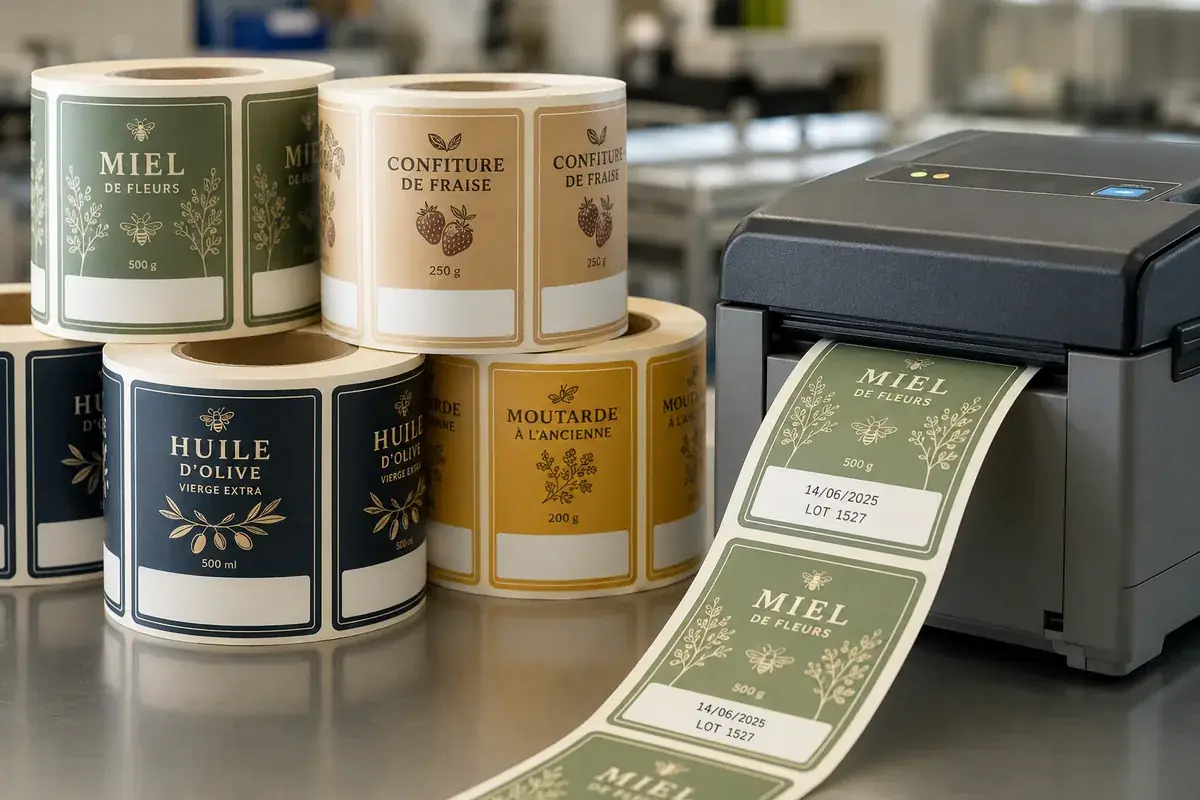
Overprintable rolls
Your brand printed by us in full colour, with a panel left coated and free. You overprint the date, the lot and the barcode as you pack — same stock, same factory.
from €183 / 100FAQ
Freezer labels — what producers ask us
Why do my labels fall off in the freezer?
Almost always the adhesive, not the paper. A standard permanent adhesive needs a warm, dry surface to flow and grip. Applied to a pack that is already cold — or already carrying a film of condensation — it never bonds properly, and the label lifts at a corner within hours. A freezer-grade adhesive is formulated to grab a cold, slightly damp surface and to stay flexible instead of turning brittle at −25 °C.
At what temperature can a freezer label be applied?
Our freezer adhesives apply from about −20 °C and hold in service down to −40 °C. You still get the strongest bond by labelling before freezing, at room temperature, and letting the label sit a few minutes before the pack goes into the blast freezer. Where labelling has to happen inside the cold room, say so in your request and we spec accordingly.
Can I print the dates and batch numbers myself?
Yes, two ways. Blank freezer rolls let your own thermal or inkjet printer do everything. Overprintable rolls carry your design pre-printed in full colour with a coated panel left free, so you only add the date, the lot and the barcode as you pack. The second option looks like a proper brand label and still gives you day-of-packing data.
Do you supply cryogenic labels for liquid nitrogen storage?
Yes — a white polypropylene raflex rated to −196 °C, supplied as blank rolls for laboratory printers, from €65 per 100. It is the material used on vials and cryoboxes stored in liquid nitrogen. If you need it printed in full colour rather than blank, send a custom request and we quote the run.
Are freezer labels also food safe?
The freezer papers and films we ship carry food-grade adhesives, which covers a label applied to the outside of a closed pack. If the label touches the food itself you need a certified direct-contact material with its declaration of compliance — a different range, covered on our direct food contact page.
Free quote
Describe your labels — a specialist answers within 2 working hours
Material, size, quantity, container, constraints: a few lines are enough. You get a firm price, or our questions, by e-mail.
A label that drops off at −20 °C costs more than the right one.
Freezer-grade adhesives, cryogenic films, from 100 labels.