
Chemical & GHS labels
The one label that must stay readable after a spill
The short answer: a hazard label needs a synthetic film under a lamination — never paper — and a size dictated by the container, not by the design: 52 × 74 mm up to 3 litres, and larger as the drum grows. Pictograms, batch numbers and barcodes are printed in the same run, from 100 labels.
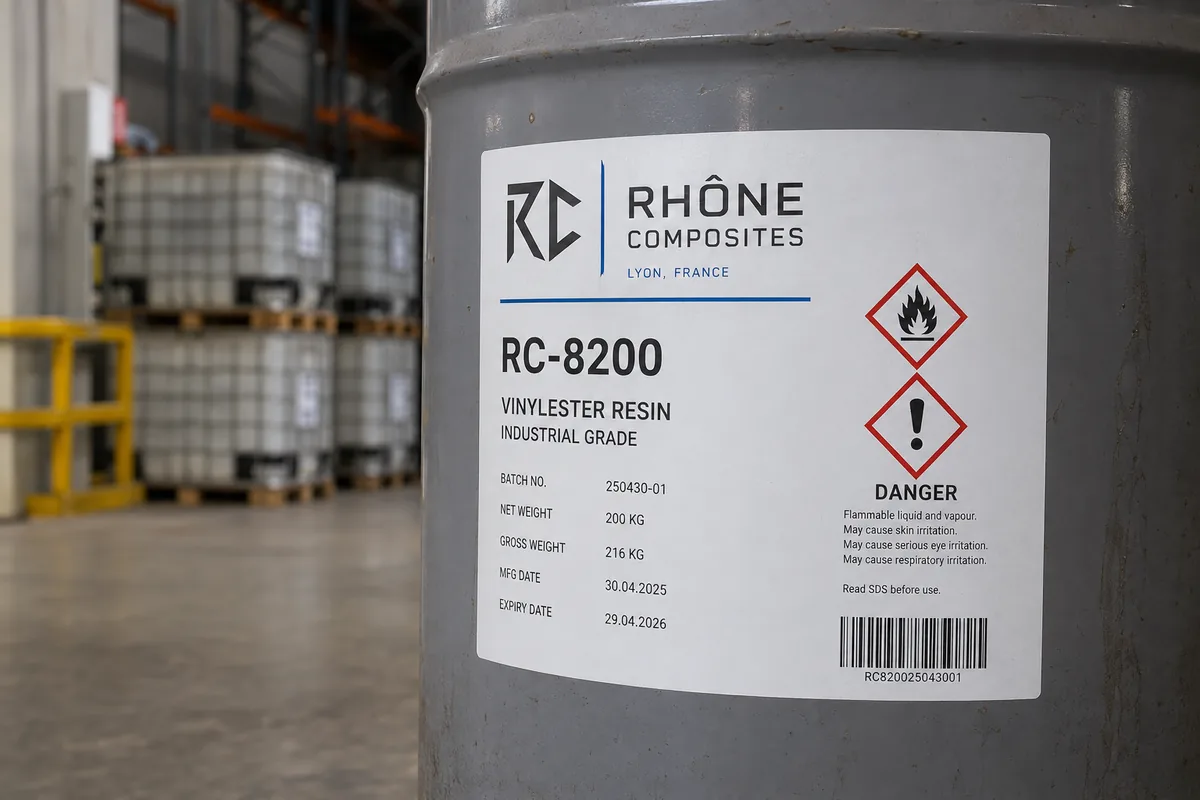
Materials
Four films for hazardous products
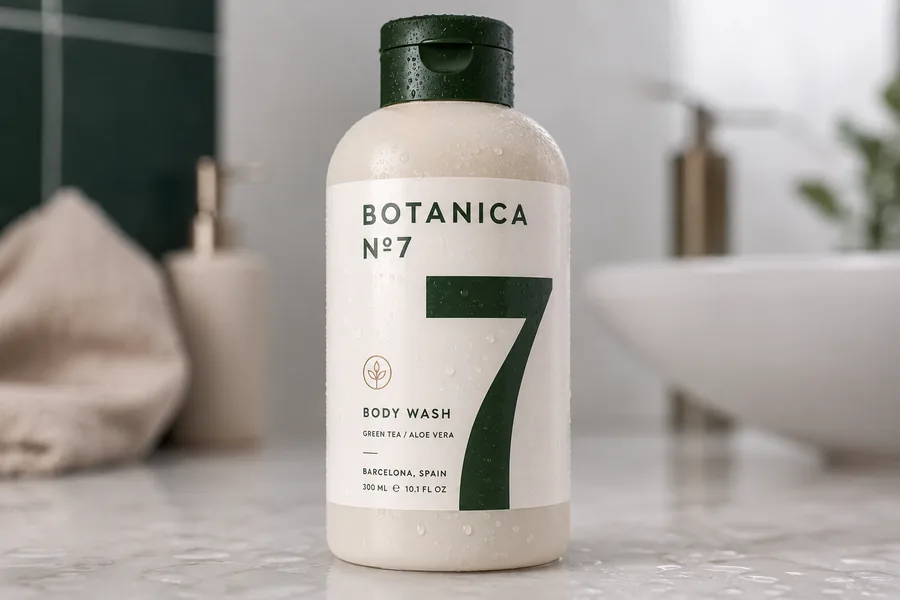
White polypropylene
Cleaning products, detergents, garden and workshop chemicals. Waterproof, laminated, resistant to the splashes a bottle actually meets.
from €196 / 100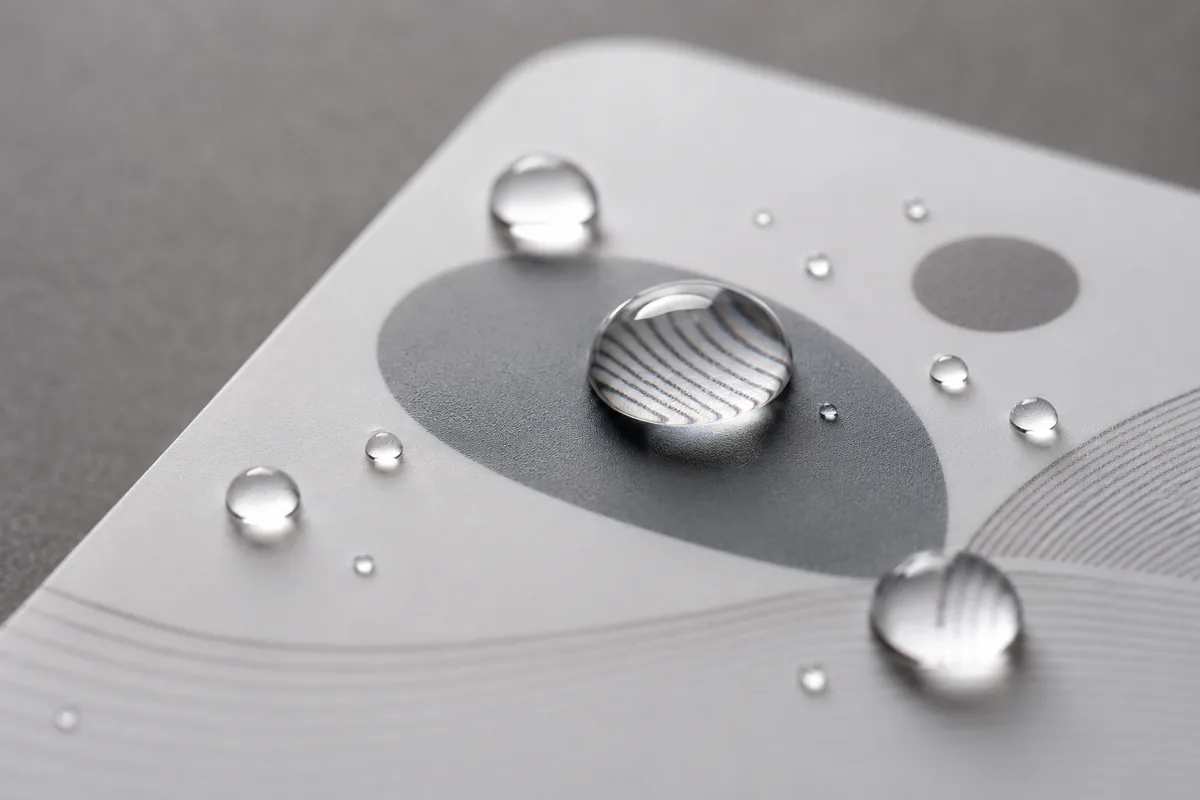
White polyester
Solvents, acids, oils and abrasion. The stronger film, with a reinforced adhesive — for products where the container is handled hard and stored long.
from €173 / 100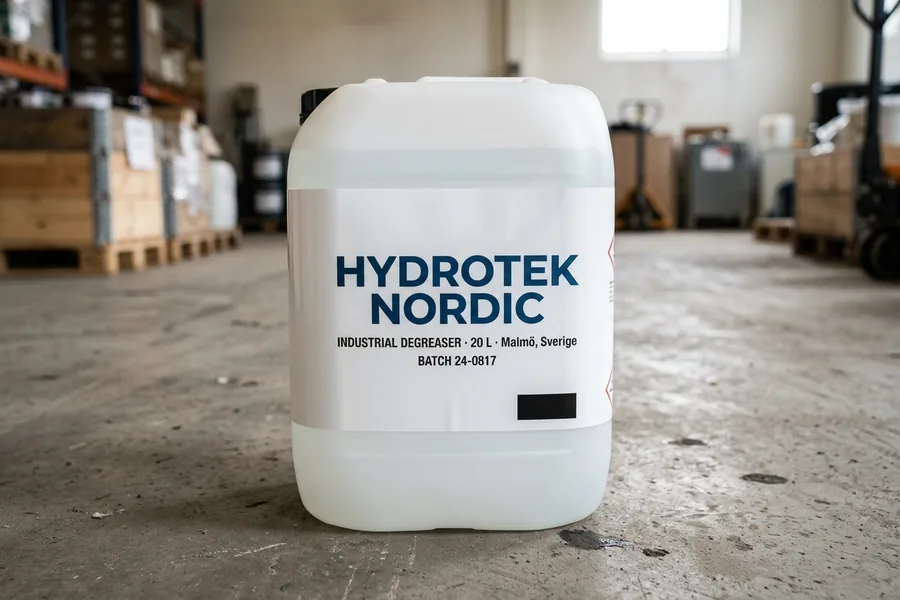
Polyethylene, drums & jerricans
Soft and flexible, with a high-tack adhesive: follows a squeezable bottle, a moulded canister or the curve of a drum without lifting at the corners.
from €199 / 100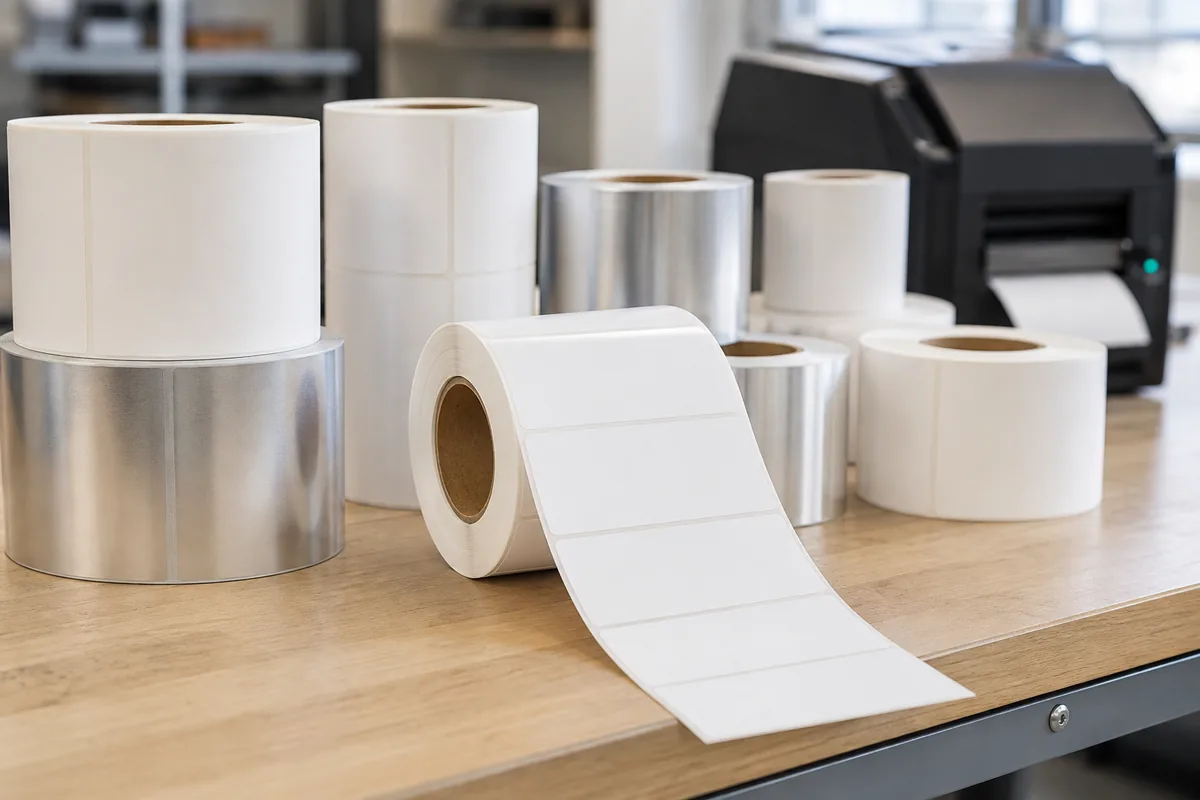
Blank rolls, printed in-house
Laboratories and repackagers that generate their own GHS labels: the same synthetic films, unprinted, on rolls for your printer.
from €67 / 100Production runs 4 to 10 working days once the proof is approved, then delivery across Europe and the UK.
Sizing
The container decides the label size
Under CLP, the label carrying the hazard information has a minimum size set by the capacity of the package. It is the constraint that most often forces a redesign late — worth checking before the artwork, not after.
| Container capacity | Minimum label | Minimum pictogram | Typical package |
|---|---|---|---|
| Up to 3 litres | 52 × 74 mm | 16 × 16 mm | Spray bottles, 1 L canisters |
| 3 to 50 litres | 74 × 105 mm | 23 × 23 mm | Jerricans, 20 L drums |
| 50 to 500 litres | 105 × 148 mm | 32 × 32 mm | 200 L drums |
| Above 500 litres | 148 × 210 mm | 46 × 46 mm | IBC containers, tanks |
Each pictogram must cover at least a fifteenth of the minimum label area and never be smaller than 10 × 10 mm. Watch the material as well as the size: polypropylene and polyethylene are cut up to 100 × 105 mm, which covers containers to 50 litres, while the two larger sizes — drums and IBCs — are supplied on white polyester, cut up to 150 × 220 mm. This is a summary to help you brief a design, not legal advice — your safety data sheet and your national authority have the final word.
The full rules — mandatory elements, the 2028 font sizes, fold-out labels, GB CLP and BS 5609 — are in our guide to GHS label requirements and CLP labels.
What has to be on it
Six blocks, and none of them optional
The CLP Regulation — Regulation (EC) No 1272/2008 — sets a fixed list of elements, every one of them mandatory:
- the product identifier;
- the supplier's name, address and telephone number;
- the nominal quantity, when the product is sold to the public;
- the hazard pictograms and the signal word — Danger or Warning;
- the hazard and precautionary statements, plus supplemental EUH information where it applies.
All of it comes from your safety data sheet, and all of it has to fit inside the minimum size above. Where it will not fit, the usual answers are a smaller type size within the legal limits, a fold-out or peelable multi-layer label, or a larger label area — and it is far cheaper to discover that at the design stage.
- Material
- White polypropylene
- Size
- 100 × 105 mm
- Finish
- Gloss lamination
- Adhesive
- Reinforced permanent
- Full colour, red-framed pictograms
- Variable data
- Batch number + filling date
- Quantity
- 500 labels
An example of a real order. Quantities are not capped — we print from a hundred pieces to several million.
Two cases worth naming
Sea freight and traceability
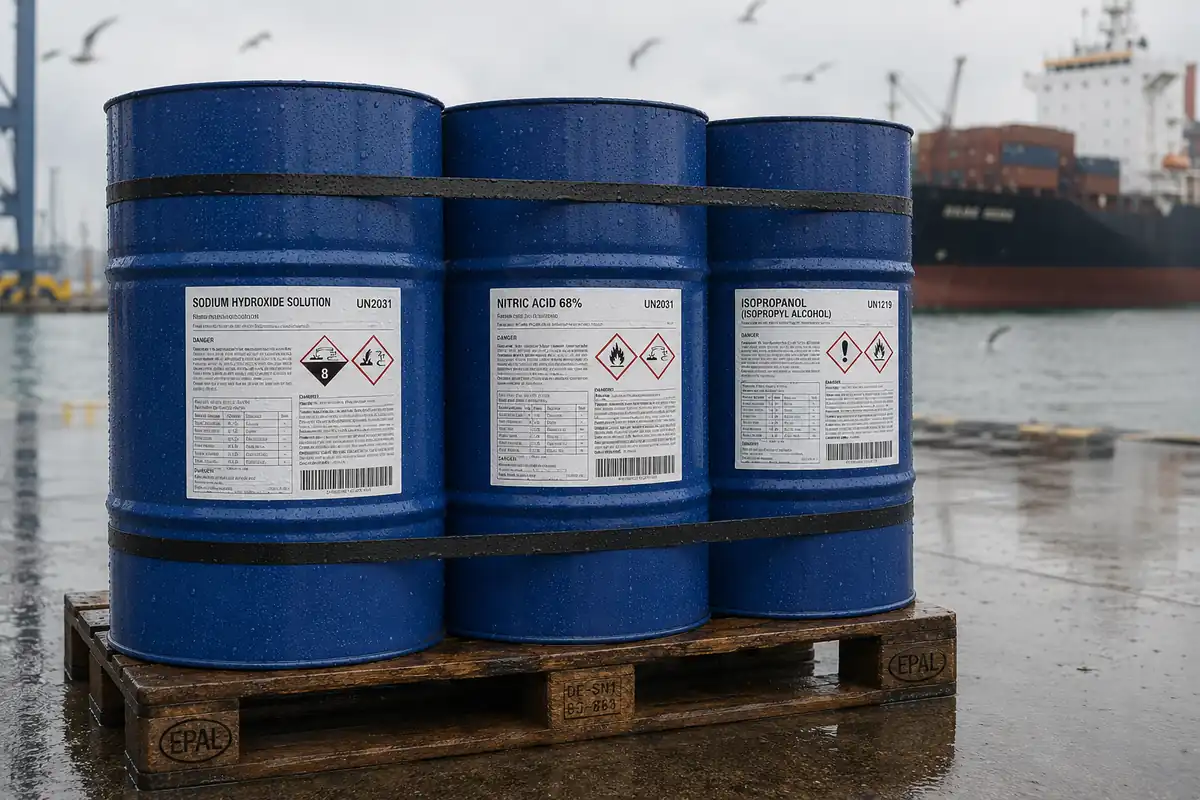
BS5609 — labels that ship by sea
Marine transport asks for labels that survive three months of seawater immersion with the print still legible. The standard constrains film, adhesive and printing method together, so we quote it case by case rather than online. Send the route and the container and we spec it.
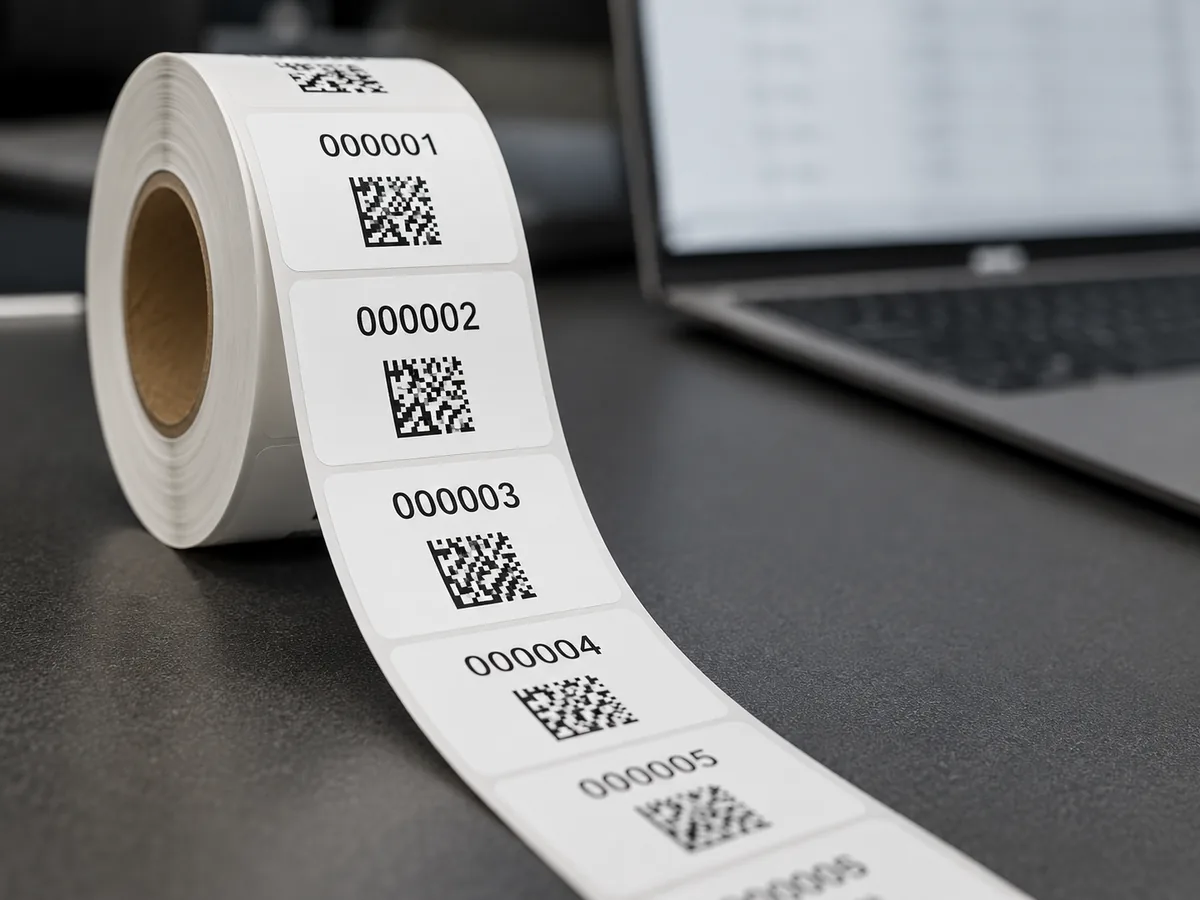
Batch numbers & filling dates
Printed label by label in the same run, from 100 labels — the traceable line back to the batch, without a second print job or a handwritten box.
FAQ
Chemical labels — what formulators ask us
What size must a CLP hazard label be?
CLP sets a minimum by container capacity: at least 52 × 74 mm up to 3 litres, 74 × 105 mm from 3 to 50 litres, 105 × 148 mm from 50 to 500 litres and 148 × 210 mm above 500 litres. Each pictogram must cover at least a fifteenth of that minimum area and never be smaller than 10 × 10 mm. These are minimums for the label area carrying the hazard information — your national authority has the final word.
Which material resists solvents and spills?
A synthetic film under a protective lamination — white polypropylene for everyday containers, white polyester where abrasion and aggressive products are involved. Paper is not an option here: a single run of solvent down the side of the bottle makes the hazard information unreadable, which is the one thing a hazard label may never become.
Do you print GHS pictograms?
We print whatever is in your artwork, including the red-framed diamonds, at the size the regulation requires. Supply the pictograms in your file, or tell us which ones apply and we place them on the proof for you to check. The wording of the hazard and precautionary statements always stays your responsibility — it comes from your safety data sheet.
Do you supply BS5609 labels for sea freight?
BS5609 — the marine immersion standard for labels on containers shipped by sea — is handled as a custom request rather than an online order, because it constrains the film, the adhesive and the printing method together. Tell us the product, the container and the route and we quote the specification.
Can chemical labels carry batch numbers?
Yes. Batch numbers, filling dates, barcodes and unique QR codes are printed label by label in the same run, from 100 labels — which is how a hazardous product keeps a traceable line back to the batch that filled it.
Free quote
Describe your labels — a specialist answers within 2 working hours
Material, size, quantity, container, constraints: a few lines are enough. You get a firm price, or our questions, by e-mail.
A hazard label that fades is a hazard.
Solvent-resistant films, CLP sizes, batch numbers — from 100 labels.