
Synthetic & waterproof labels
When the product gets wet, the paper stops being an option
The short answer: synthetic films do not absorb water, do not tear and do not wrinkle. White polyester for strength, polypropylene for drinks and cosmetics, polyethylene for anything squeezable or curved, clear polyester for the no-label look. From €173 per 100, with the protective lamination included where the material needs it.
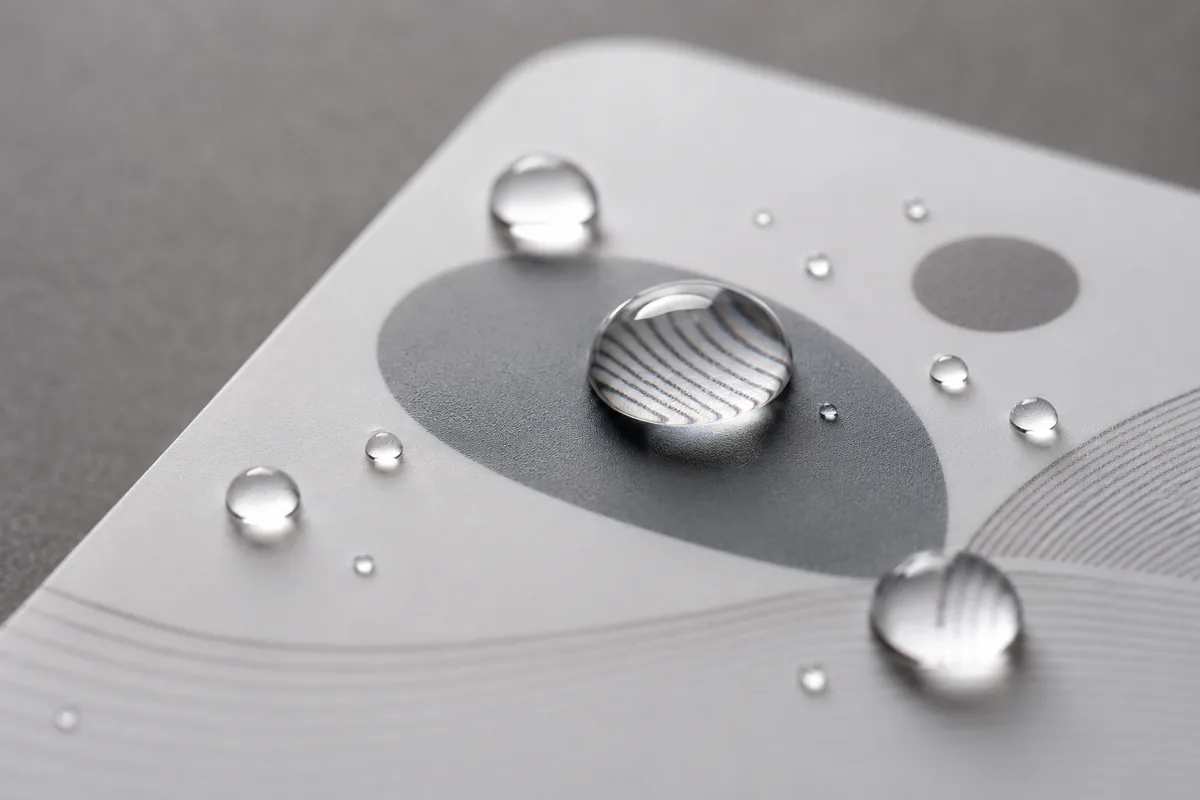
The range
Four films, and the one each product needs
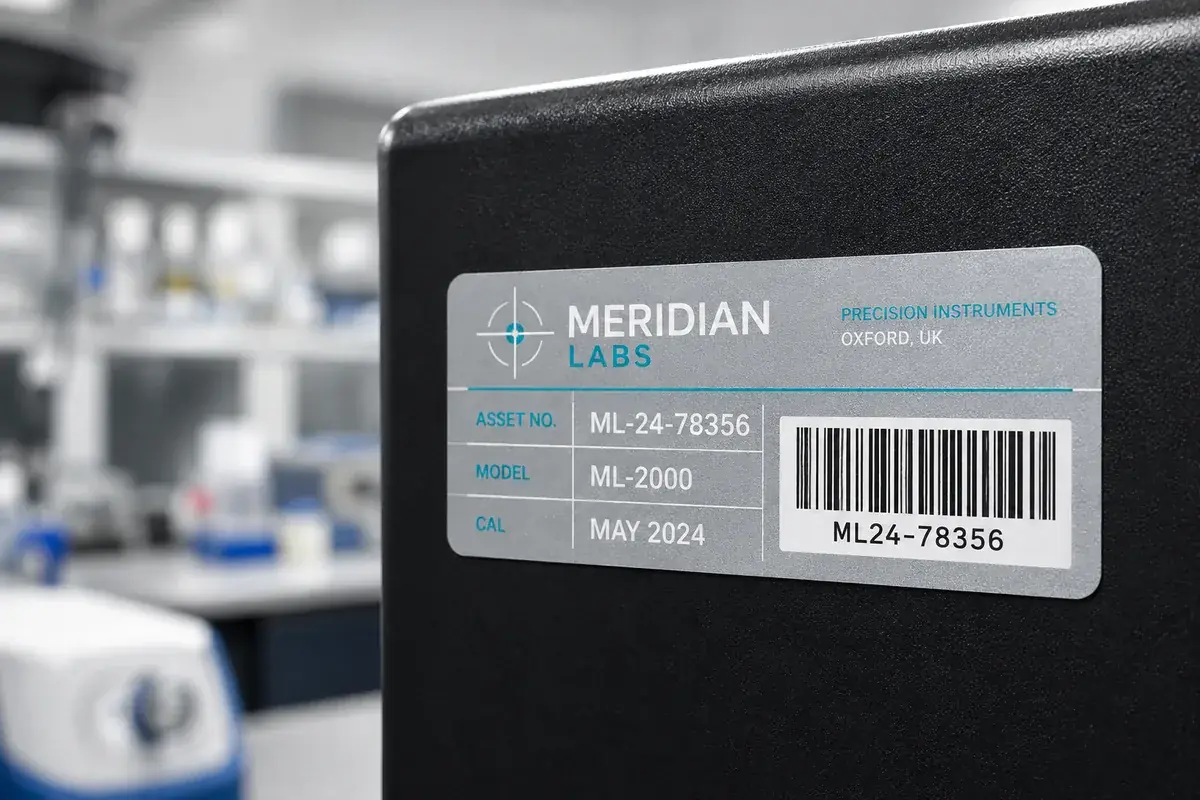
White polyester
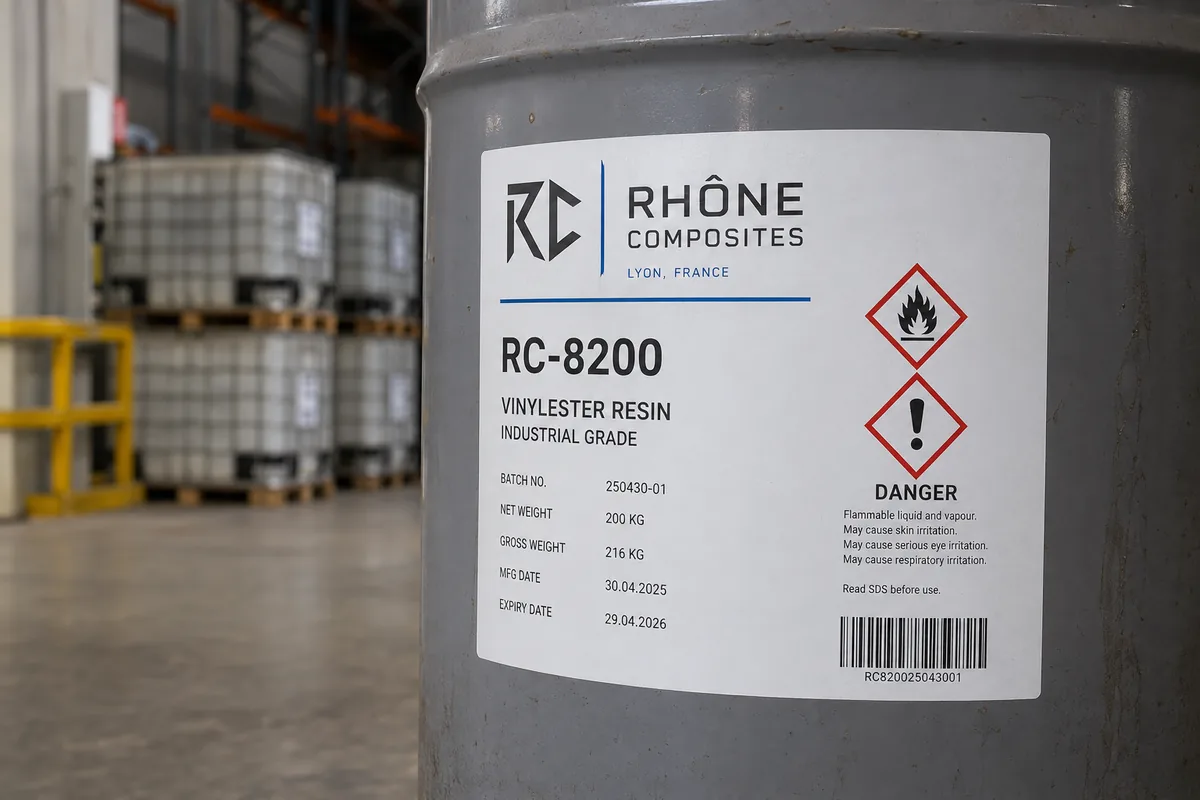
Rigid, tear-proof, stable under UV, with a reinforced adhesive. Equipment, outdoor products, asset labels — and the only film in this range cut up to 150 × 220 mm.
from €173 / 100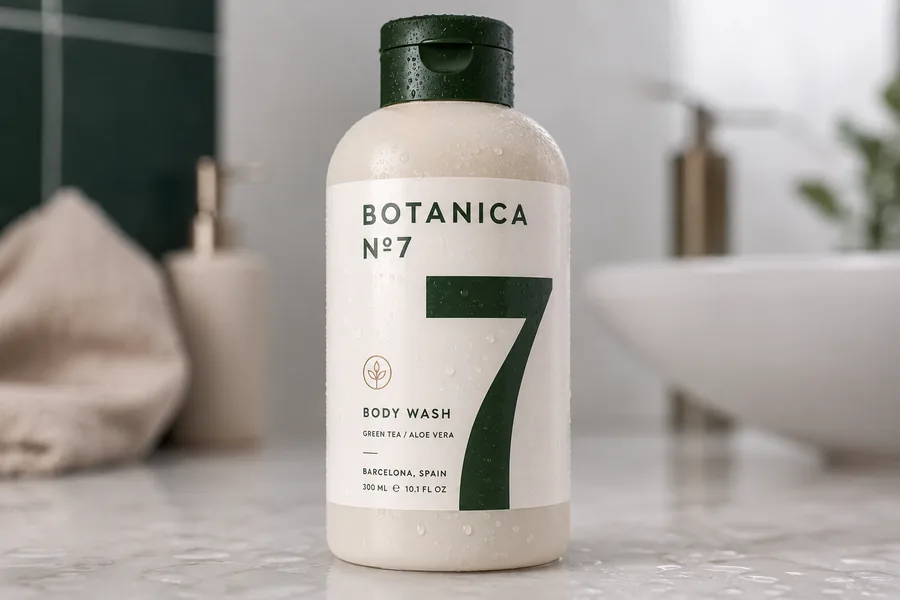
White polypropylene
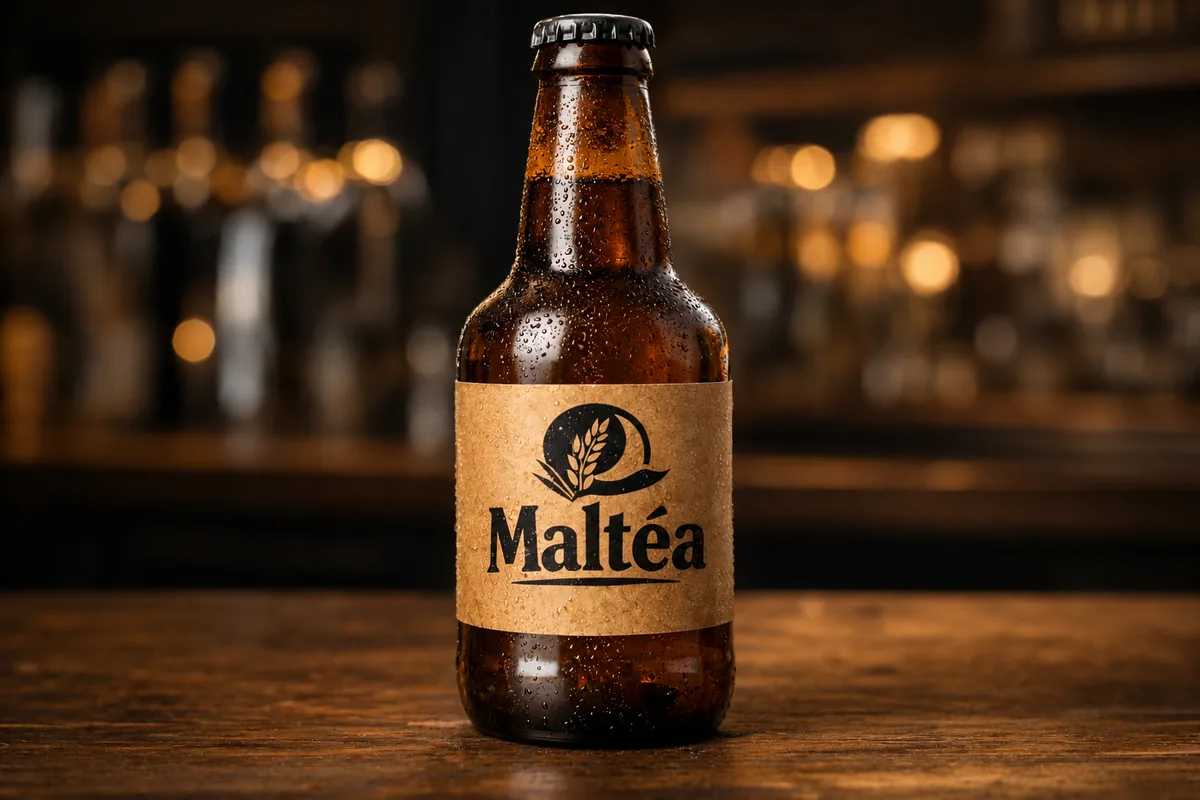
The drinks and cosmetics standard: bright white, waterproof, follows the curve of a can or a bottle without a wrinkle. Long wrap dies up to 60 × 450 mm.
from €196 / 100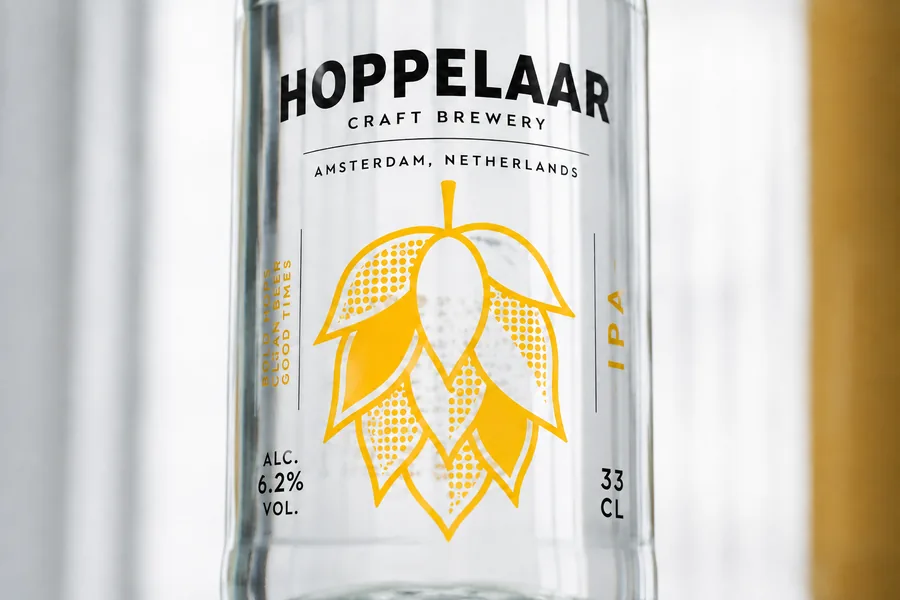
Clear polyester
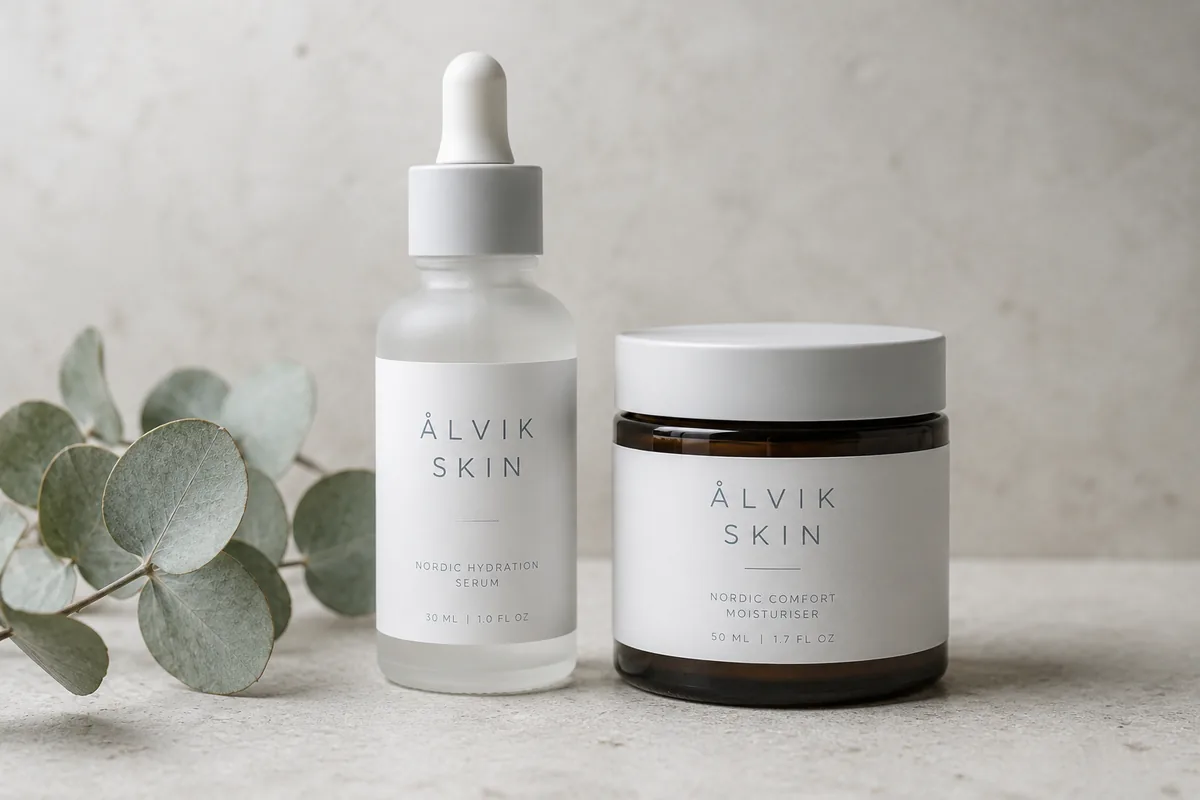
The no-label look: the print seems to float on the glass. Add a white backing under pale colours or they will disappear. €211 in one colour, €231 in full colour.
from €211 / 100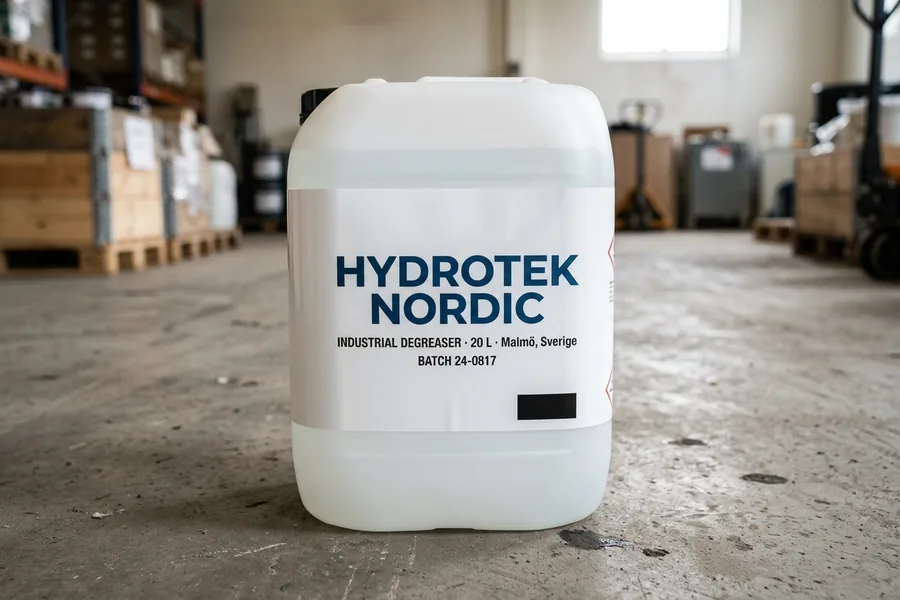
White polyethylene
The soft one. Squeezable bottles, jerricans, drums and moulded containers, where a rigid film lifts at the corners within a week.
from €195 / 100Need the feel of paper with the behaviour of a film? The wet-strength aquaproof paper survives an ice bucket at €184 per 100. Blank synthetic rolls for your own printer start at €61.
Specification
What you choose when you order
| Choice | Options | What it changes |
|---|---|---|
| Printing | Full colour · white backing on clear film | Without white, pale colours vanish on glass |
| Protection | Gloss varnish · gloss or matt lamination | Added automatically where the film requires it |
| Adhesive | Permanent · removable · reinforced | Reinforced for cold, damp or textured surfaces |
| Sizes | 23 formats, up to 150 × 220 mm | Long wrap dies to 60 × 450 mm on polypropylene |
| Variable data | Numbering · barcodes · unique QR | Available on polypropylene and clear polyester |
| Quantities | 100 to 10 000 online, more on quotation | Any die-cut shape, at no extra cost |
Production runs 4 to 10 working days once the proof is approved, then delivery across Europe and the UK.
The mistake we see most
Waterproof underneath is not waterproof
A synthetic film cannot absorb water — that part is settled by the material. The ink printed on top of it is another matter: unprotected, it scuffs against a neighbouring bottle in a crate and rubs off under a wet thumb. The label survives; the printing does not.
That is why a varnish or a lamination is not an upsell on this range but part of the specification, added automatically where the film requires it. It is also why a cheap « waterproof » label sometimes comes back with the batch number missing.
- Material
- White polypropylene
- Size
- 75 × 105 mm
- Protection
- Gloss lamination
- Adhesive
- Permanent
- Variable data
- Batch + best-before
- Quantity
- 1 000 per reference
- Production
- 4 to 10 working days
An example of a real order. Quantities are not capped — we print from a hundred pieces to several million.
Price by quantity
What a run of white polyester costs
Full colour, 55 × 70 mm — die, setup and printing included. Films start close to paper at 100 labels and climb a little faster with volume, because the material itself costs more.
| Quantity | Run price | Per label |
|---|---|---|
| 100 | €191 | €1.91 |
| 500 | €211 | €0.42 |
| 1 000 | €244 | €0.24 |
| 2 000 | €300 | €0.15 |
| 3 000 | €353 | €0.12 |
Excluding VAT and delivery. The quote tool prices your own film, size and finish in seconds. Above 10 000 labels, quantities are quoted at volume rates — up to millions.
FAQ
Synthetic films — what customers ask us
When do I need a synthetic label instead of paper?
As soon as water is part of the product's life: a chilled bottle that sweats, a shower gel, a bucket left outside, a container that gets wiped down. Paper absorbs that water and wrinkles or tears; a film repels it and stays flat. If the label only ever lives in a dry cupboard, paper is cheaper and looks just as good.
What is the difference between polyester, polypropylene and polyethylene?
Polyester is the strongest and most rigid — the one for equipment, industrial use and anything abraded. Polypropylene is the everyday drinks and cosmetics film: bright white, waterproof, follows a curve. Polyethylene is the softest of the three, so it goes on squeezable bottles, jerricans and drums without lifting at the corners.
Do synthetic labels need a lamination?
Yes, in practice. The film itself is waterproof but the printed ink on top of it is not: without a varnish or a lamination it scuffs and can be rubbed off. Our configurator adds the protection automatically on the materials that require it, so a waterproof label is genuinely waterproof rather than waterproof underneath.
Can a clear label really be invisible on glass?
Close to it — clear polyester gives the no-label look, where the print appears to float on the bottle. Two caveats: pale colours and white need an opaque white layer printed underneath or they will not show, and the adhesive line is visible if the label is applied carelessly. Clear polyester starts at €211 in one colour and €231 in full colour.
Do synthetic films take numbering and barcodes?
Yes — white polypropylene and clear polyester are part of the variable-data range, so batch numbers, barcodes and unique QR codes are printed label by label in the same run, from 100 labels.
In this range
Every product under Synthetic & waterproof
Water, cold, handling — the film decides.
Polyester, polypropylene, polyethylene and clear film, from 100 labels.