
Tamper-evident security labels
A seal is only worth what it leaves behind
The short answer: decide what should remain after someone lifts the label. A VOID film leaves a printed message on the object; a destructible film leaves fragments and nothing usable; a holographic seal makes copying the label itself the hard part. Add a serial number and you have proof rather than a sticker. From 100 labels.
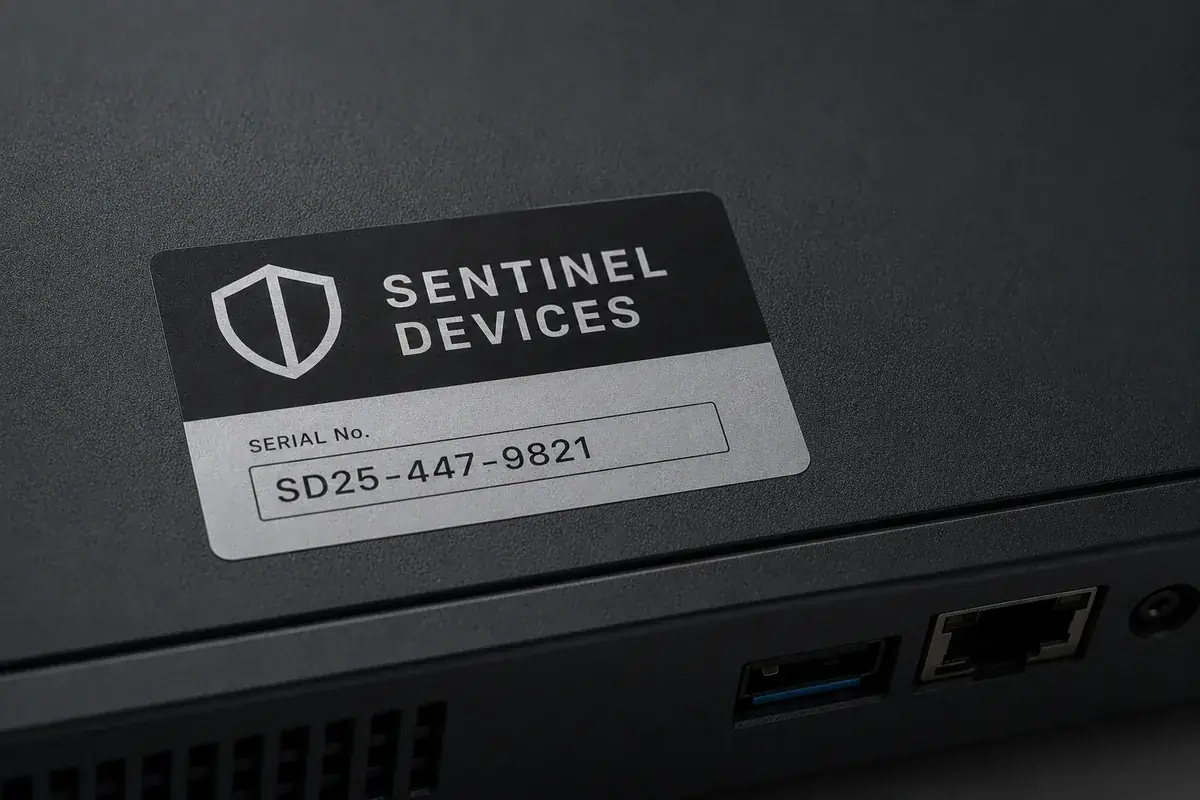
Technologies
Four ways to make tampering visible
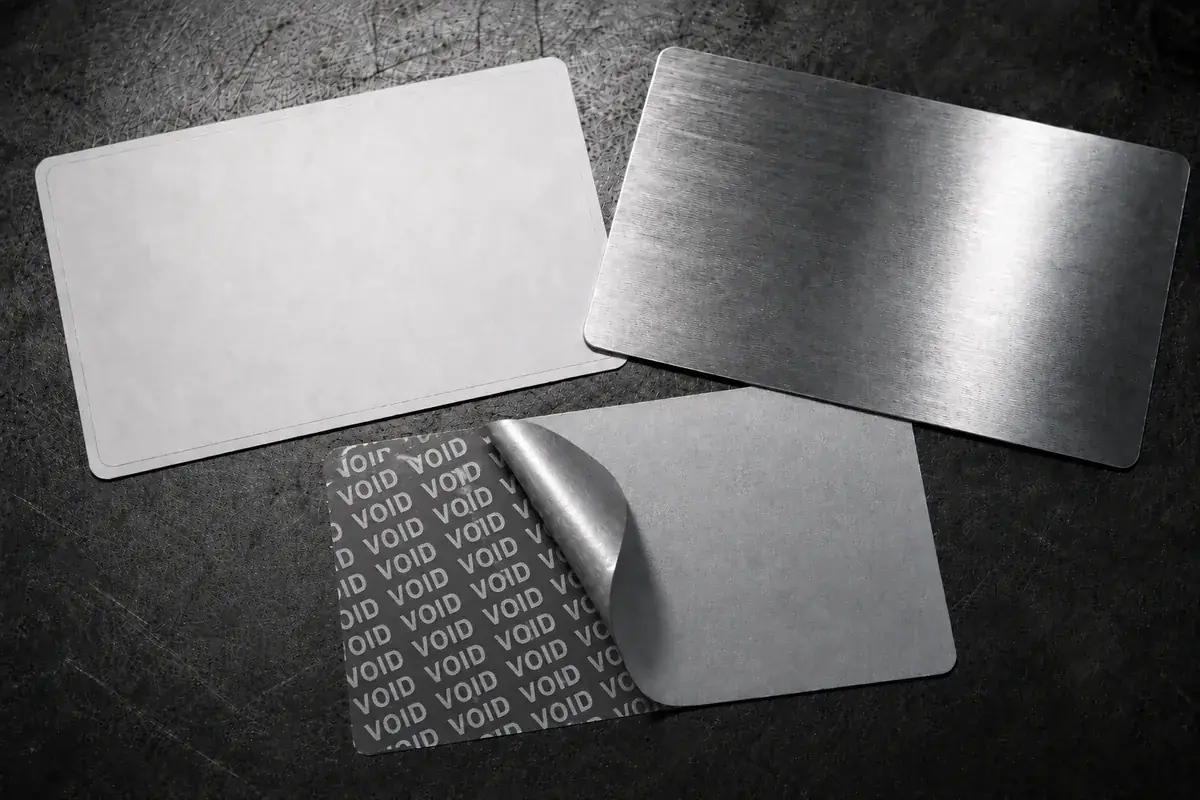
VOID polyester
Lift it and VOID stays printed on the object while the label carries the negative. The evidence is on the item, where an inspector looks. White, red or transparent.
from €285 / 100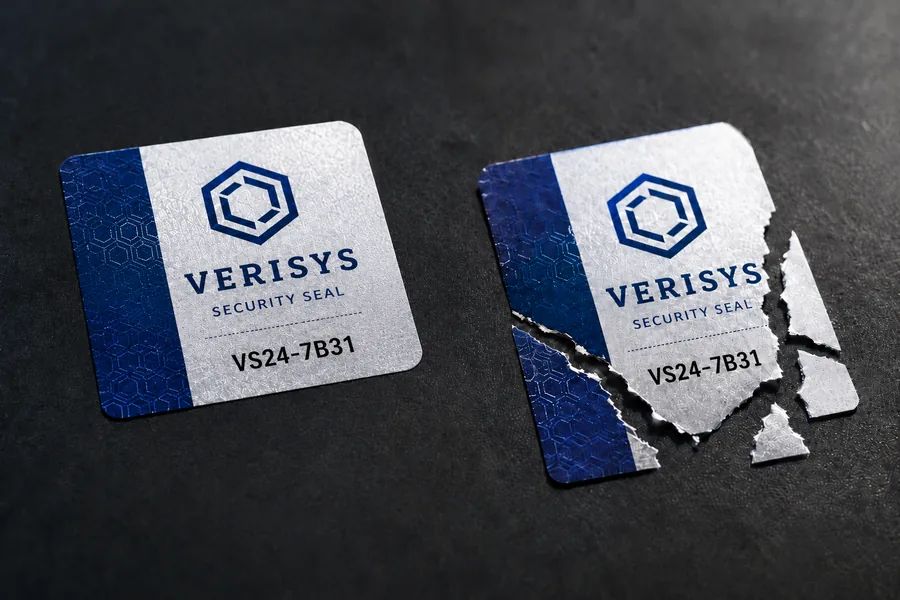
Destructible film
Fragments as soon as a corner is lifted — nothing to reassemble, nothing to move to another product. The warranty and property-marking standard.
from €162 / 100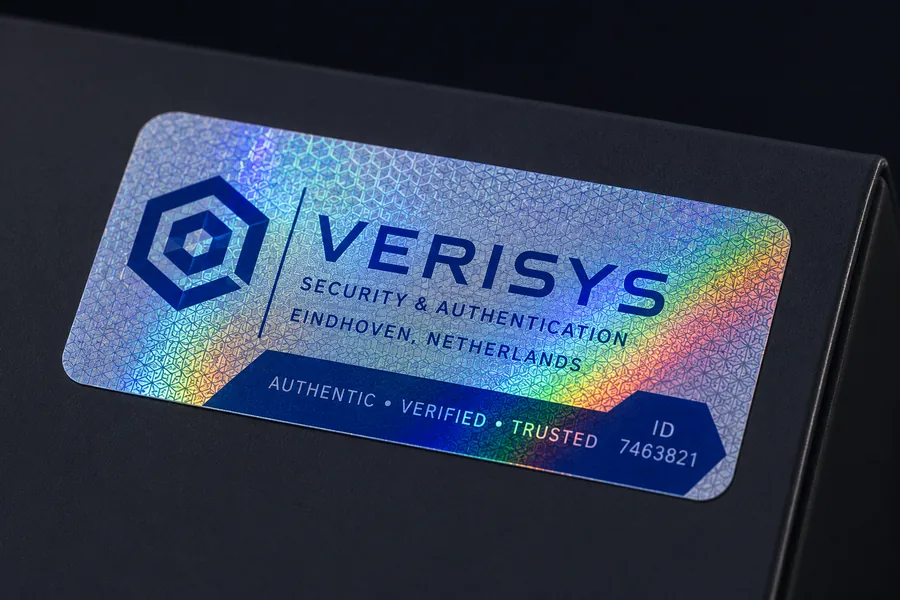
Holographic seals
Diffraction that a scanner and a photocopier cannot reproduce. Used where the risk is a counterfeit label rather than a reopened box.
from €299 / 100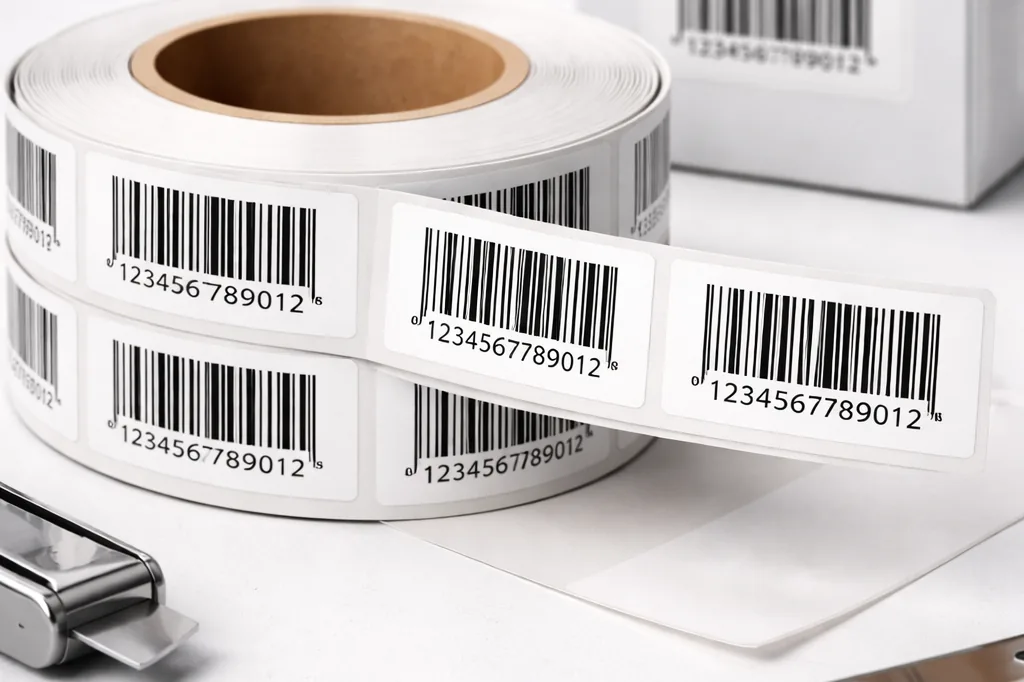
Serialised seals
Sequential numbers, barcodes or unique QR codes printed label by label. A seal you can log, check and reconcile — instead of one you can only see.
priced in the quote toolProduction runs 4 to 10 working days once the proof is approved, then delivery across Europe and the UK.
Choosing
Start from the threat, not from the material
| What you are guarding against | Technology | What remains after removal | From |
|---|---|---|---|
| A case opened and closed again | VOID polyester, white | VOID printed on the casing | €294 |
| A seal moved to another product | Destructible film | Fragments only | €162 |
| Warranty voided by a repair | Destructible, numbered | Fragments and a missing number | €162 |
| A counterfeit of the label itself | Holographic polyester | An obviously flat copy | €299 |
| Equipment leaving the site | VOID or destructible, serialised | Evidence plus an audit line | €162 |
| Evidence on a surface you must not mark | VOID, no-residue grade | The message, no adhesive left | €285 |
Prices for 100 labels, excluding VAT. A destructible film is the cheapest real deterrent; VOID costs more because the pattern is manufactured into the film.
Why this is hard to buy in Europe
Numbered seals, from one hundred
Security materials are normally sold in thousands, with a setup charge for the numbering on top. A repair shop sealing 200 devices a quarter, a laboratory sealing sample boxes, a manufacturer running a pilot batch — all of them get quoted for a print run they will never use, and end up putting a plain sticker on the job instead.
We print VOID and destructible film in full colour from 100 labels, with sequential numbering or unique QR codes in the same pass. It is the same press, the same lead time and the same proof process as any other label.
- Material
- White destructible film
- Size
- 35 × 15 mm
- One colour + serial number
- Adhesive
- Permanent, high initial tack
- Variable data
- Sequential numbering
- Quantity
- 500 seals
- Applied to
- Moulded plastic casing, screw head
An example of a real order. Quantities are not capped — we print from a hundred pieces to several million.
Practical notes
Three things that decide whether a seal works
The surface
VOID polyester needs a smooth, hard, clean surface to release its pattern cleanly — glass, painted metal, rigid casings. On textured or moulded plastic, a destructible film is the reliable choice.
The position
A seal across a joint, a lid edge or a screw head does its job. A seal on a flat panel proves only that a label was applied. Cross the opening — that is the whole mechanism.
The record
Without a number, tampering can be answered with a fresh label. With one, a missing or duplicated serial is a fact in your log — which is what an audit, an insurer or a customer dispute actually needs.
FAQ
Security labels — what buyers ask us
What is the difference between a VOID label and a destructible one?
A VOID label leaves a message behind: lift it and the word VOID — or a pattern of your choice — stays printed on the surface, and the label itself carries the negative. A destructible label leaves nothing usable: it breaks into small fragments that cannot be reassembled or reapplied. Use VOID when you want visible proof on the object; use destructible when the label must never be transferred to another item.
Can security labels be numbered?
Yes, and it is what makes a seal auditable. Sequential numbers, barcodes and unique QR codes are printed label by label in the same run, from 100 labels — so each seal can be logged against a device, a case or an inspection date rather than just being present.
What is the minimum order for VOID labels?
100 labels per design, numbering included if you want it. Most European makers of security labels work in thousands, which is why small manufacturers and repair shops usually end up with plain stickers instead of real seals — the short run is the point of this range.
Do security labels come off cleanly if I need to remove them?
No, by design — they are built to be impossible to remove intact. A VOID film leaves its pattern on the surface and a destructible film disintegrates. A no-residue VOID grade exists, which lifts the message without leaving adhesive behind, but the label is still destroyed. If you need something that comes off cleanly, you want a removable label, not a security label.
Which security label works on textured plastic or a screw head?
A destructible film. It is thin, conformable and brittle, so it follows a moulded plastic case or wraps a screw head and then breaks at the first attempt to lift it. VOID polyester is stiffer and performs best on flat, smooth surfaces — glass, painted metal, hard casings.
Under UV light, UV VOID labels add an invisible layer of evidence to the visible one.
Public bodies sealing equipment and controlled stock buy within their own framework — see labels for the public sector.
Free quote
Describe your labels — a specialist answers within 2 working hours
Material, size, quantity, container, constraints: a few lines are enough. You get a firm price, or our questions, by e-mail.
Proof that survives the person who removed it.
VOID, destructible and holographic seals — numbered, from 100 labels.