
Cosmetic & soap labels
A label that holds in the bathroom, and looks like the price
The short answer: anything that meets water, steam or oil needs a synthetic film — polypropylene for printed colour, clear polyester for the minimal look. Paper is for dry products and gift boxes. Then add the finish: soft touch, foil, relief varnish. From 100 labels per design.
Materials
Start with what the product touches
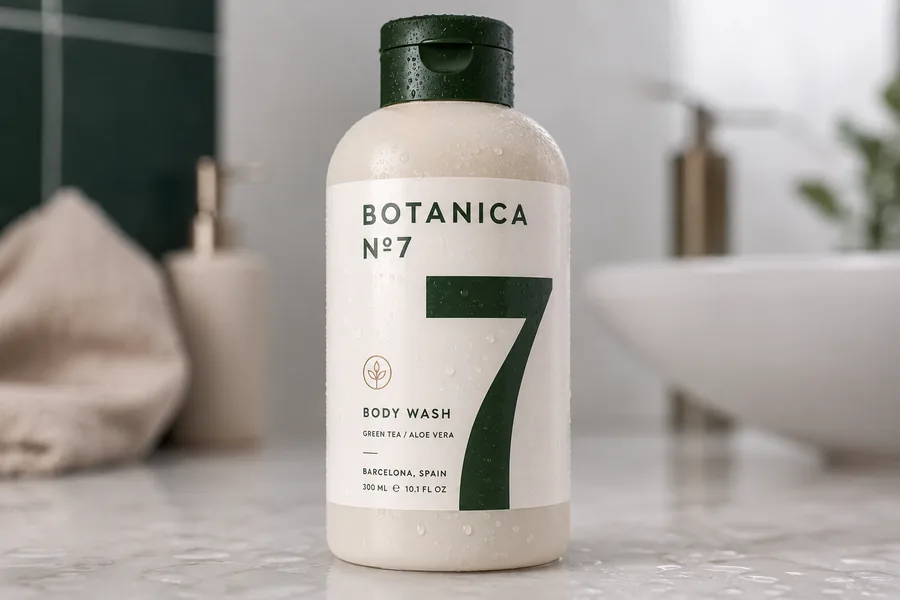
White polypropylene
Shampoo, shower gel, body lotion. Bends with a squeezable bottle, survives wet hands and steam.
from €196 / 100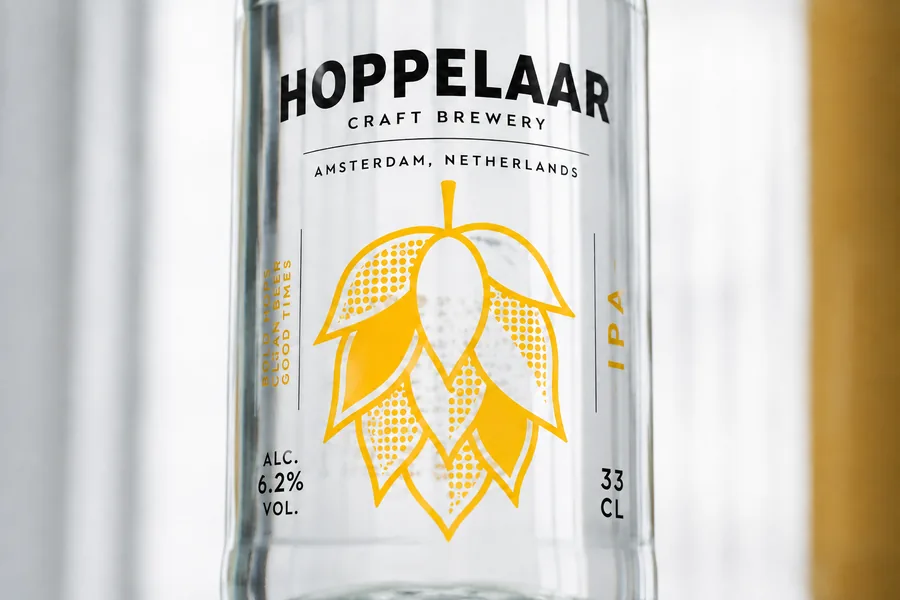
Clear polyester
For serums and frosted glass where the container is the design. Waterproof, oil-resistant, nearly invisible.
from €211 / 100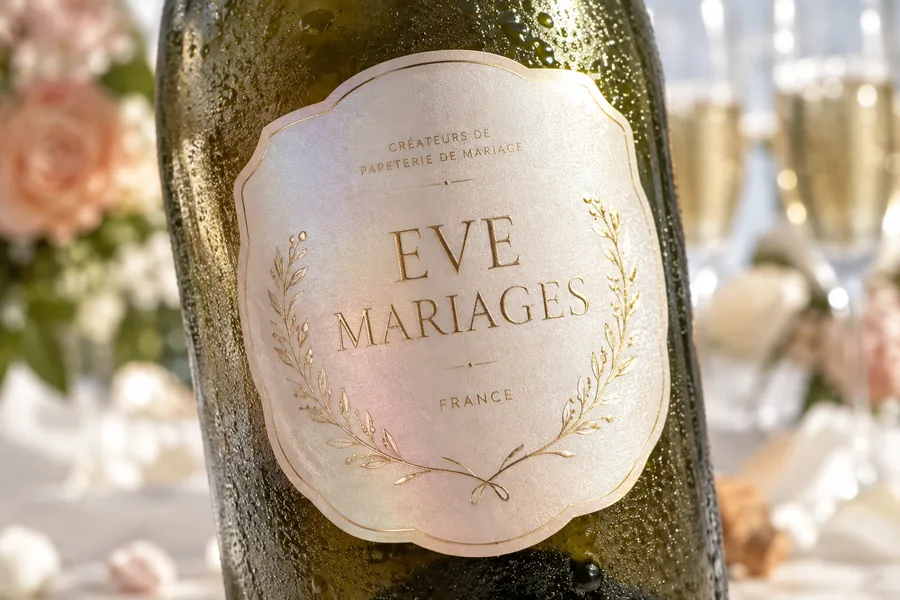
Pearlescent
A shimmer across the whole surface, not just an area. Reads premium without a single foil block.
from €180 / 100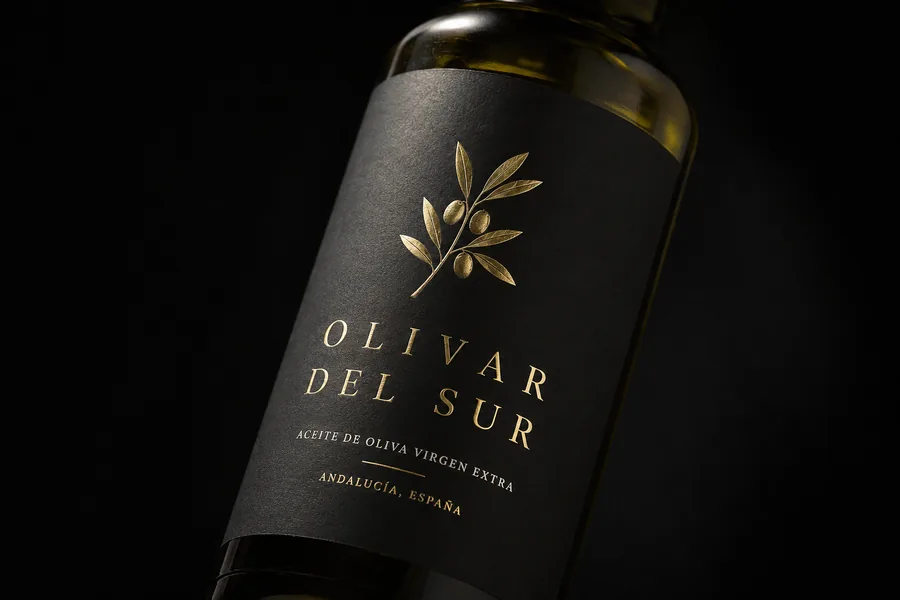
Deep black + foil
Matte black paper that absorbs light, gold or silver pressed on top. The fragrance and night-care standard.
from €169 / 100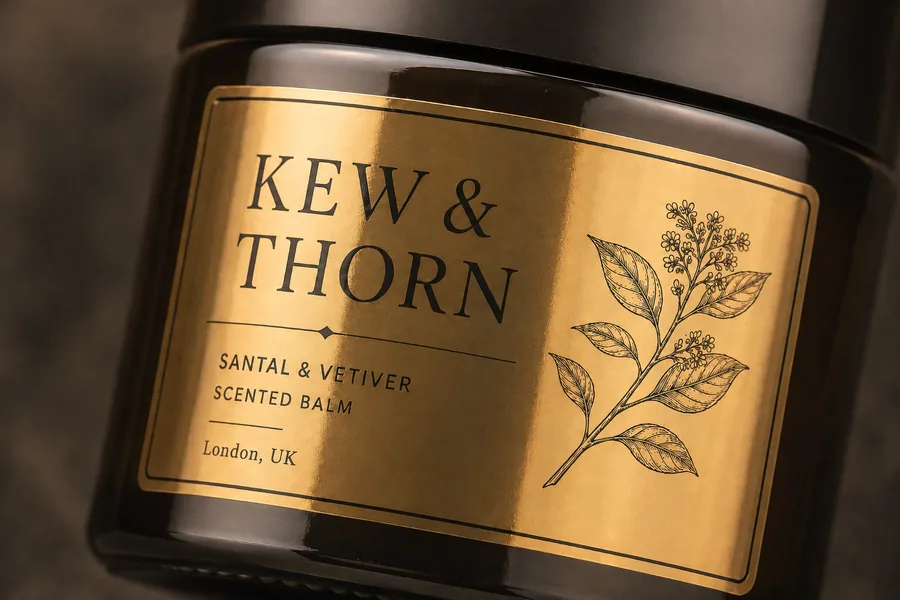
Mirror gold & silver
A metallised surface across the whole label. Strong on dark glass, and cheaper than foil over a large area.
from €140 / 100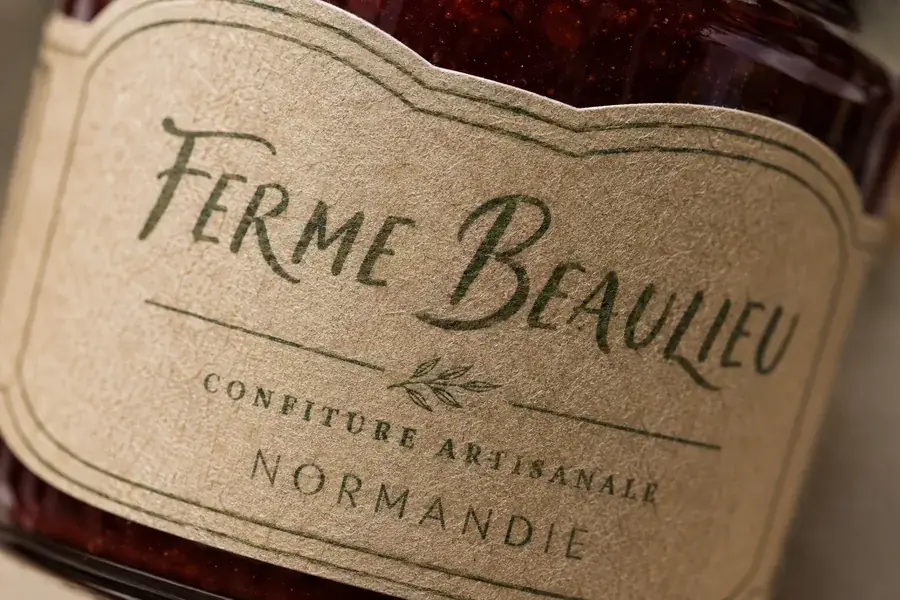
Kraft & natural papers
Solid soap, shampoo bars, gift wraps — anything that stays dry. Honest texture, takes a letterpress look well.
from €205 / 100Formats
Small containers, real constraints
| Container | Label | Typical size | The difficulty |
|---|---|---|---|
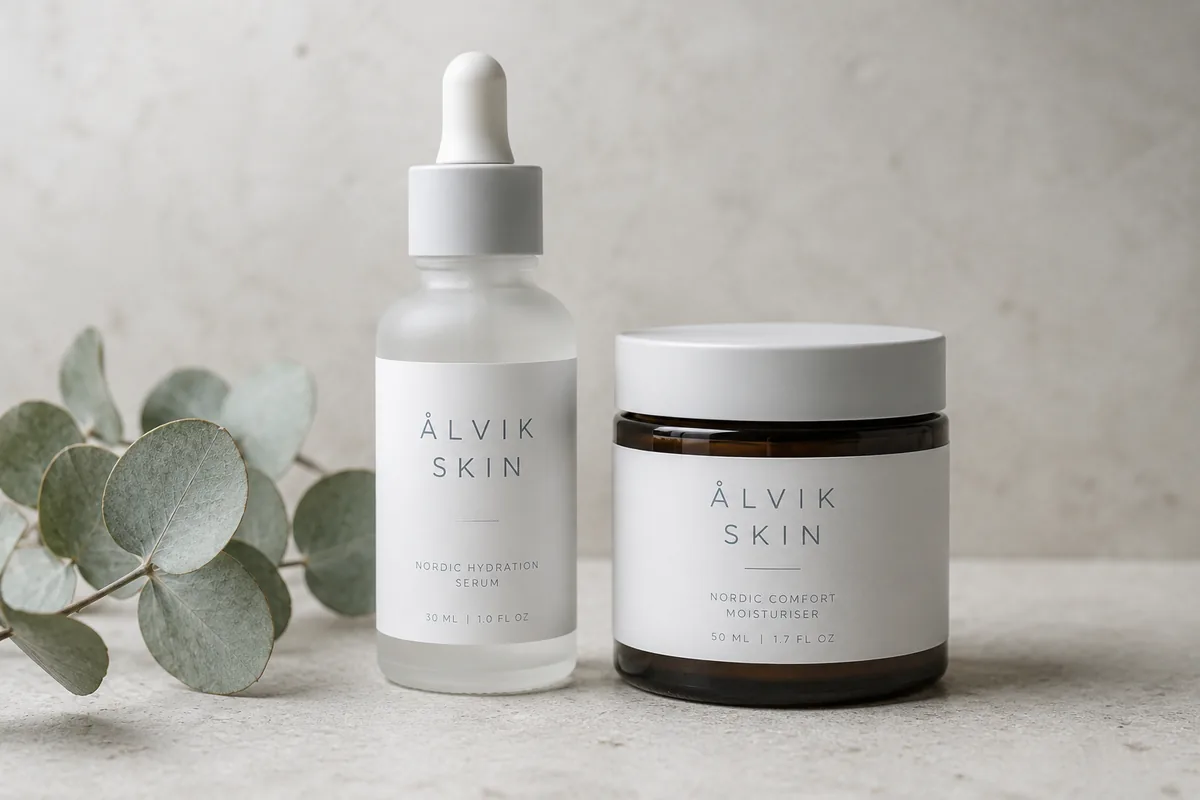
| Serum 30 ml | Body wrap | 55 × 40 mm | Fitting the INCI list — consider a peelable layer |
| Cream jar 50 ml | Lid + body | Ø 45 mm + 100 × 25 mm | Two small runs rather than one |
| Shampoo 250 ml | Front + back | 75 × 105 mm | Must bend without creasing on a squeezable bottle |
| Soap bar | Belly band | 150 × 55 mm | Cut to the bar, not to a standard |
| Roll-on 10 ml | Wrap | 70 × 25 mm | Very small type; keep the design sparse |
| Candle 200 g | Body + base | 85 × 60 mm | CLP panel usually goes underneath |
Sizes above 150 × 105 mm are quoted as a custom request.
Finishes
Where the perceived value comes from
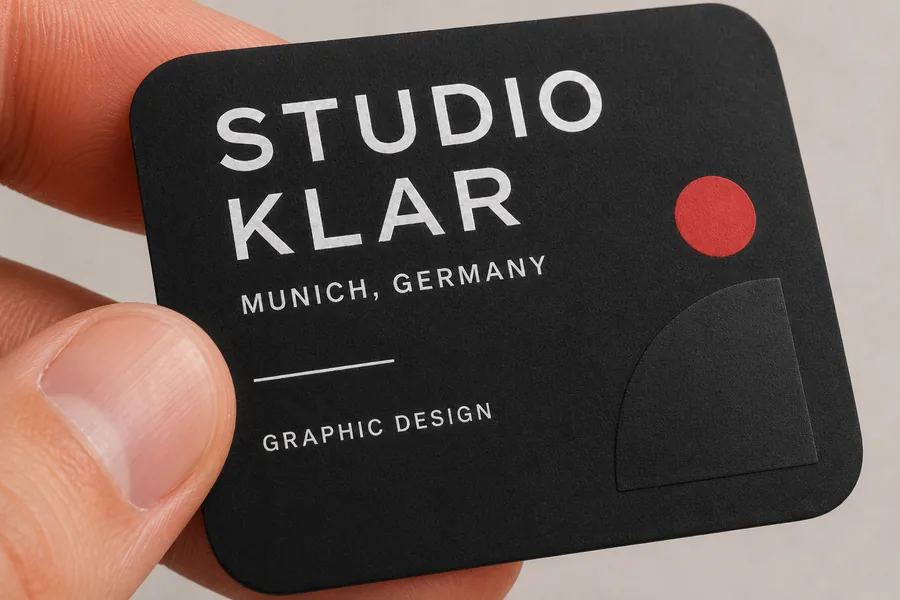
Soft touch
A velvet, almost rubbery surface. The finish customers notice before they read anything.
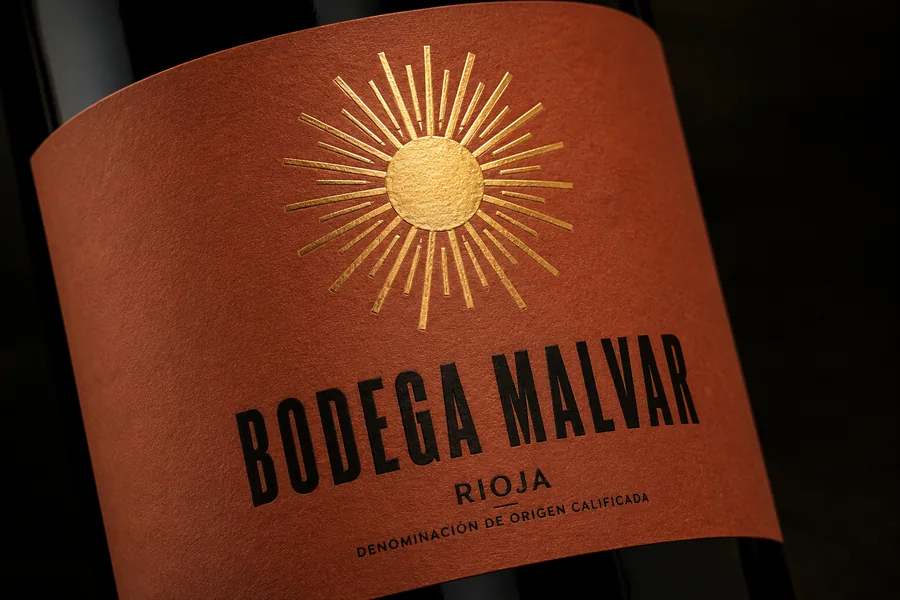
Hot foil
Gold or silver pressed into the stock — reflective in a way no printed metallic ink can imitate.
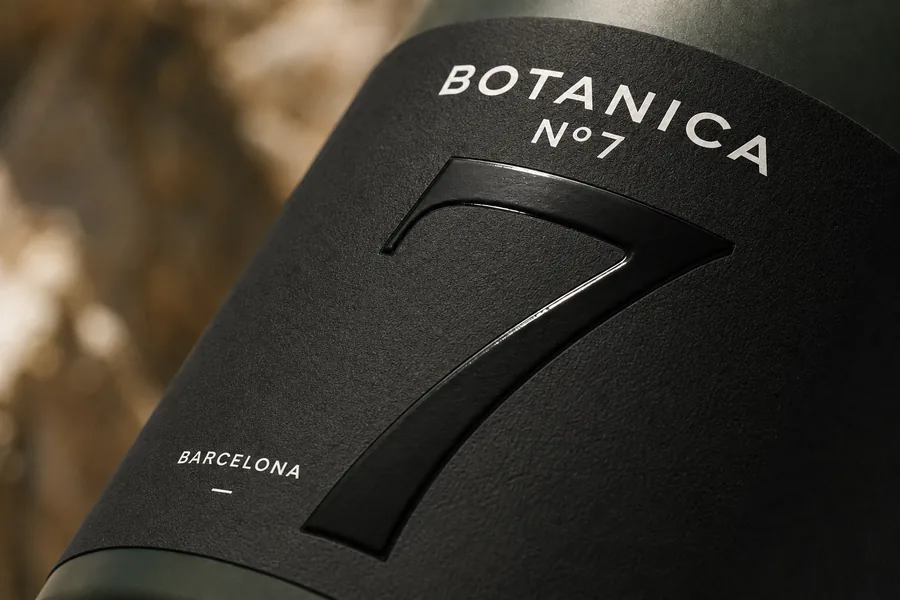
Relief varnish
A raised logo you feel under the thumb. Pairs best with a matte lamination.
All three are available from 100 labels — see the full finishing room.
FAQ
Cosmetic labels — what brands ask us
Will a cosmetic label survive the shower?
Only if it is a synthetic film. White polypropylene or clear polyester with a laminate resists running water, steam and repeated handling with wet hands. Paper labels — even laminated ones — will eventually lift at the edges in a bathroom. For a shower gel, a film is not a premium option, it is the minimum specification.
What about oils and essential oils?
Oils are more aggressive than water: they creep under the edge of a label and attack the adhesive and the ink. Use a polypropylene or polyester film with a laminate, never an uncoated paper. If your formula is rich in essential oils, mention it and we spec a reinforced adhesive.
How small can the INCI list be printed?
We hold fine detail down to about 4 pt on coated and synthetic materials, but legibility matters more than the technical minimum: EU cosmetic rules require the ingredients list to be visible and legible. On very small containers, the usual solution is a peelable two-layer label — the front carries the brand, the layer underneath the full INCI list.
Do soap labels need a CLP hazard panel?
Cold-process soap sold as a cosmetic follows cosmetic rules, not CLP. But a soap sold as a cleaning product, and most candles and reed diffusers, do require CLP pictograms and hazard statements. If you are unsure which regime applies, put the question in your request — it changes what has to fit on the label.
Which finishes work for a premium range?
Soft touch lamination for a velvet feel, gold or silver hot foil for the name, and relief varnish to raise a logo you can feel. Pearlescent and metallic stocks change the whole surface rather than an area of it. All are available from 100 labels.
Free quote
Describe your labels — a specialist answers within 2 working hours
Material, size, quantity, container, constraints: a few lines are enough. You get a firm price, or our questions, by e-mail.
The formula is yours. The finish is ours.
Material, size, finish — priced instantly, from 100 labels.