
Bio-Based Synthetic Labels · Eco-friendly
Same film, different carbon
The short answer: bio-based polyethylene is chemically the same film as ordinary PE — waterproof, flexible, tear-proof — but its carbon comes from plant material rather than oil. Nothing about the label changes for the user: it is the origin of the material that changes. White or clear, from €208 per 100.
Any shape within this size — rectangle, round, oval or custom die-cut.
VAT invoice · card or bank transfer · proof before production · ±5 % quantity tolerance
- Printing
- 1 option
- Protection
- 1 option
- Adhesives
- 1
- Sizes
- 16 formats
- Smallest
- 35 × 30 mm
- Largest
- 100 × 105 mm
- Quantities
- 100 → 10 000, more quoted
- Variable data
- quoted on request
Printed from €208 per 100, unprinted on rolls from €66. Production 4 to 10 working days after proof approval.
Where it fits
For the products a paper label cannot survive
Most of the eco range is paper, and paper stops at the first wet product. A shower gel, a chilled bottle, a squeezable container — none of them can carry sugarcane or grass paper, and until now the only answer was a conventional plastic film.
Bio-based PE closes that gap. It is a real film with real film behaviour, so the label survives the bathroom and the fridge; the difference is upstream, in what the polymer was made from. It is also the only material in this range with a wet-strength argument, which is why it costs €208 while sugarcane costs €170.
- Bio-based
- about the origin
- Biodegradable
- about the end of life
- This film
- bio-based only
- Breaks down?
- no — it is polyethylene
- Recycles
- with other PE, where collected
- White or clear
- same price
- From
- €208 / 100
The distinction that matters
Bio-based says where it came from. Nothing more.
This is the confusion regulators are now looking at closely, so it is worth being exact. A bio-based film is made from plant-derived carbon instead of fossil carbon — that is a real, verifiable difference at the top of the chain. But the molecule at the end is polyethylene, and polyethylene does not biodegrade. A label on this film will still be a piece of plastic in fifty years.
So: choose bio-based when you need a film and want the origin argument. Choose the cellulose films when the claim has to be about what happens after the bin. Printing « biodegradable » on a bio-based PE label would be exactly the kind of wording that gets a pack pulled.
Price by quantity
What a run actually costs
Up to 55 × 70 mm, full colour, gloss varnish — die, setup and printing included.
| Quantity | Run price | Per label |
|---|---|---|
| 100 | €223 | €2.23 |
| 200 | €228 | €1.14 |
| 300 | €233 | €0.78 |
| 500 | €237 | €0.47 |
| 1 000 | €262 | €0.26 |
| 1 500 | €279 | €0.19 |
| 2 000 | €303 | €0.15 |
| 3 000 | €342 | €0.11 |
| 5 000 | €437 | €0.087 |
| 10 000 | €674 | €0.067 |
Excluding VAT and delivery. Other sizes, finishes and quantities are priced in the configurator above.
FAQ
Bio-based film — what brands ask us
What does bio-based actually mean?
That the carbon in the polymer comes from plant material rather than from oil. The chemistry of the finished film is identical to conventional polyethylene — the difference is upstream, in the raw material, and it is verifiable — the certificate exists and we can supply it.
Does it biodegrade?
No. It is polyethylene, and polyethylene does not break down. Bio-based describes the origin, not the end of life. If your claim is about disposal, the cellulose films are the honest material and this one is not.
Is it waterproof like ordinary PE?
Exactly like it: waterproof, flexible, tear-resistant, comfortable on a squeezable bottle. That is the point — you lose nothing technically by choosing it, which is rarely true elsewhere in an eco range.
White or clear?
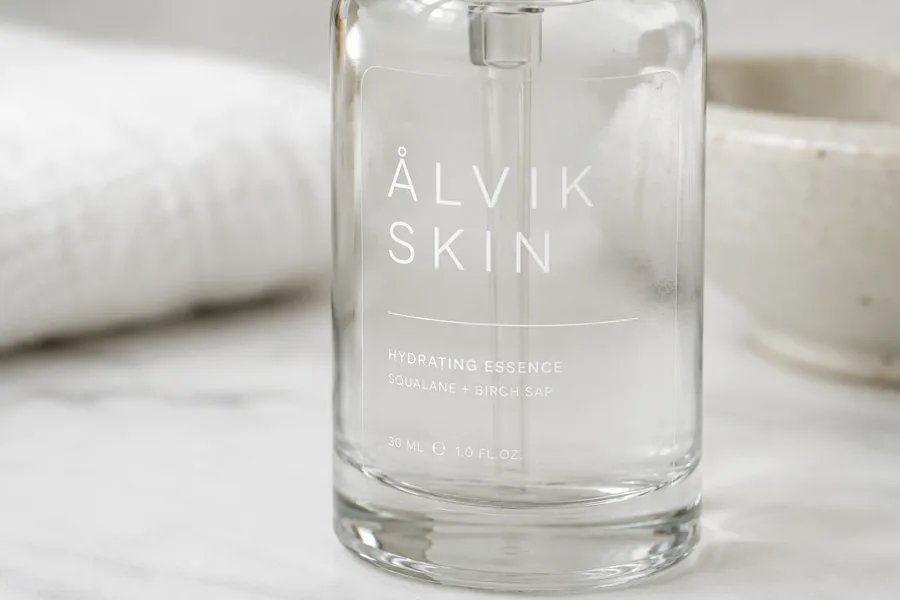
Both, at the same price. White carries a printed design the way any film label does; clear gives the no-label look on a transparent bottle, with an opaque white printed underneath wherever the design needs to be readable.
Can it be recycled?
Where polyethylene is collected, yes — it behaves like any PE. As always, the recyclability of the pack depends on the container as much as on the label, so tell us what it is going on if that is the deciding factor.
A film for the products paper cannot handle.
Plant-derived polyethylene, white or clear, from €208 per 100.