
Laminated labels · gloss, matt & varnish
The material survives. The ink is what needs protecting.
The short answer: a varnish costs about €5 on a run of 100 and stops the print marking; a lamination costs about €9 and survives daily handling, wiping and a little moisture. Gloss and matt are the same price. What neither of them does is turn a paper label into a waterproof one.
Four choices
From nothing at all to a real film
No protection
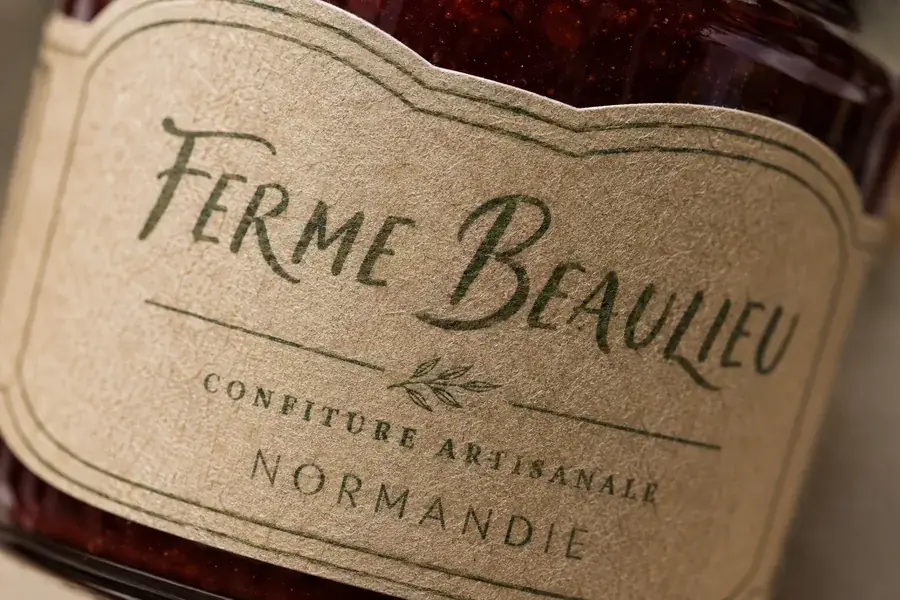
The texture stays under the finger and the paper keeps its character. For labels that live on a shelf and are never handled hard.
included
Gloss varnish
A coating printed in the same pass. Stops the ink marking and lifts the colours a little. The sensible default on a paper label.
about + €5 / run of 100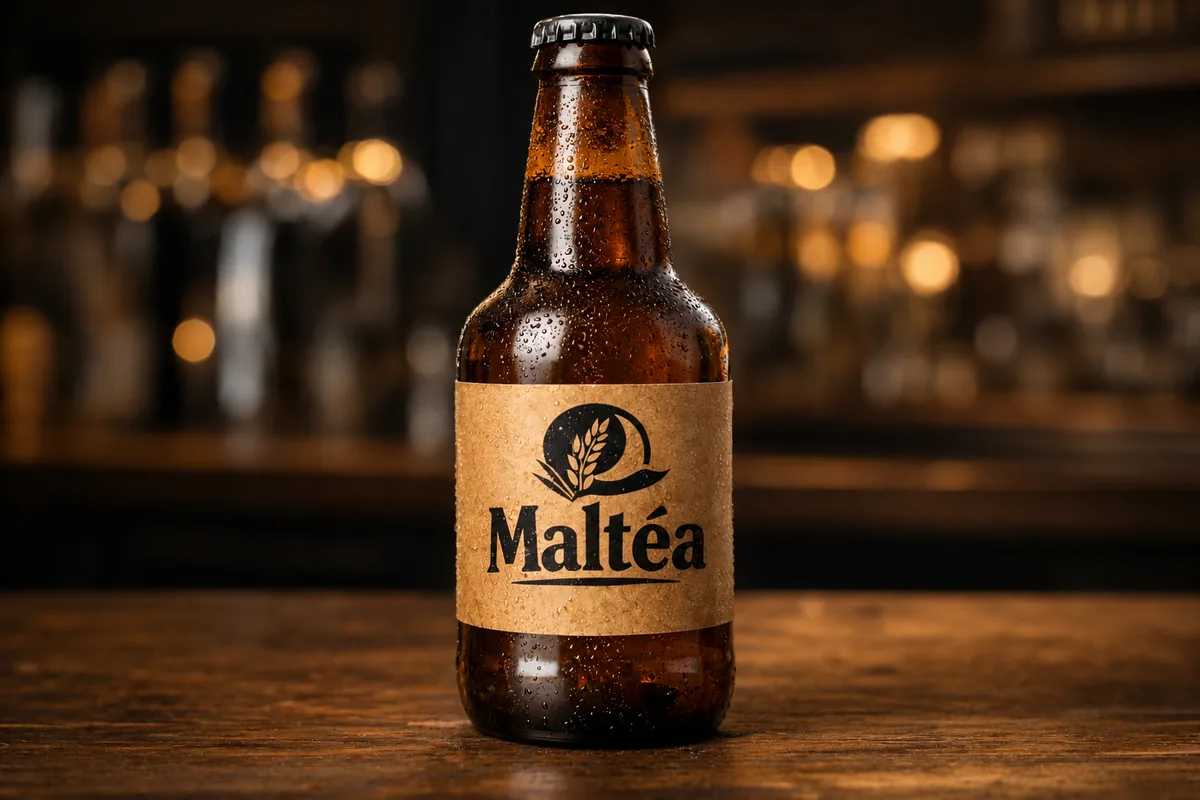
Gloss lamination
A real film over the print: resists handling, wiping and condensation, and makes photographs snap. The standard on drinks and cosmetics.
about + €9 / run of 100
Matt lamination
The same protection without the shine: no reflections, a softer surface, and a more expensive look on dark designs. Same price as gloss.
about + €9 / run of 100What it costs
The real numbers, not a percentage
Coated satin, 55 × 70 mm, full colour — the same label with each finish.
| Quantity | No protection | Gloss varnish | Gloss or matt lamination |
|---|---|---|---|
| 100 | €204 | €209 | €213 |
| 500 | €213 | €213 | €213 |
| 1 000 | €213 | €213 | €213 |
| 3 000 | €288 | €288 | €288 |
Excluding VAT and delivery. The lamination adds €9 on a run of 100, and from 500 labels it is included in the run price — a fixed, modest premium rather than a multiplier. Above 10 000 labels, quantities are quoted at volume rates — up to millions.
Availability
What each range accepts
| Range | None | Gloss varnish | Gloss lamination | Matt lamination |
|---|---|---|---|---|
| Coated & everyday papers | yes | yes | yes | yes |
| Synthetic films | yes | yes | yes | yes |
| Functional stocks | yes | yes | yes | yes |
| Eco materials | yes | yes | yes | — |
| Metallic stocks | never | yes | yes | yes |
| Industrial & security films | yes | — | yes | — |
| Creative textured papers | yes | yes | — | — |
| Blank rolls | always | — | — | — |
Textured papers take a varnish only: a film would flatten the relief you chose the paper for. Metallic stocks are never sold bare, because ink on metal has nothing to sink into.
The expensive misunderstanding
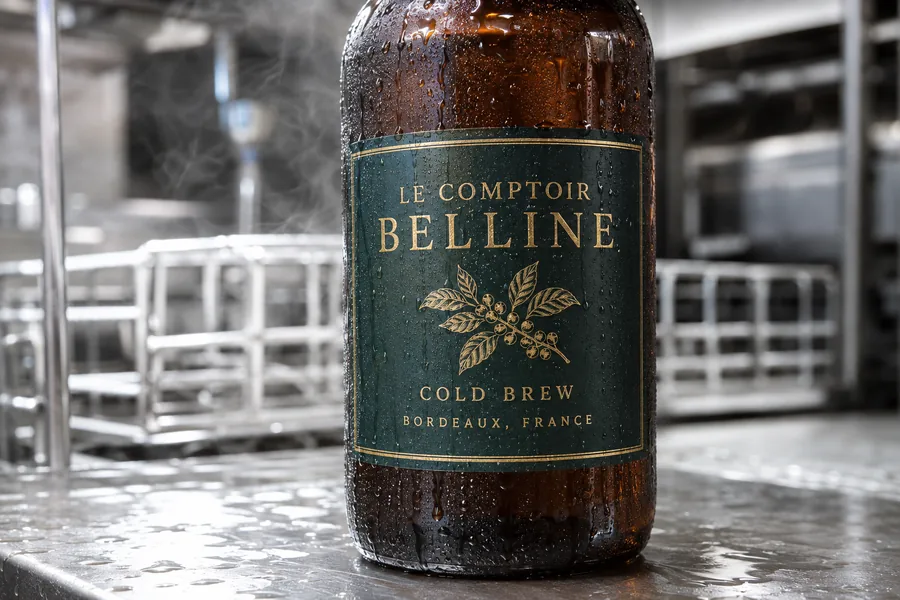
A lamination is not waterproofing
It protects the printed face — nothing else. The four edges of the label stay open, and the paper underneath keeps absorbing water. A laminated paper label on a bottle in an ice bucket still swells, wrinkles and lifts at the corners; the print simply stays legible while it does.
So when a label is going to get genuinely wet, the answer is a change of material, not the addition of a coating: a synthetic film from €173 per 100, or the wet-strength aquaproof paper at €184 if you want the feel of paper. Our configurator adds the protection automatically on the materials that require it, so a waterproof label is waterproof all the way through.
- Thermal papers
- the head cannot mark them
- Overprintable panels
- leave the free area bare
- Blank rolls
- your printer needs the surface
- Scratch-off panels
- coating over the silver
- Textured papers
- a film flattens the relief
- Writable labels
- a pen will not take
FAQ
Protection — what customers ask us
What is the difference between a varnish and a lamination?
A varnish is a coating printed onto the label in the same pass — thin, cheap, and enough to stop the ink marking in normal handling. A lamination is a real film applied over the printed surface: thicker, tougher, and the only one of the two that survives daily handling, wiping and a little moisture. On a run of 100 labels the varnish adds about €5 and the lamination about €9 — and from 500 labels it is included in the run price.
Does matt cost more than gloss?
No — gloss and matt lamination are exactly the same price on every material we carry. Choose on appearance alone: gloss deepens colours and makes a photograph snap, matt softens the surface, kills reflections and reads more expensive on a dark design.
Does a lamination make a paper label waterproof?
No, and this is the misunderstanding that costs the most. A lamination protects the printed face, but the edges of the label and the paper underneath still absorb water — a laminated paper label in an ice bucket still wrinkles and lifts. If the label will actually get wet, change the material to a synthetic film rather than adding a coating to paper.
Are there labels that must not be laminated?
Yes. Thermal papers and the free panel of an overprintable roll must stay bare, or the print head cannot mark them and the label comes out blank. Blank rolls ship unprotected for the same reason. At the other end, metallic stocks are never sold unprotected, because ink on metal has nothing to sink into and would scratch off.
Which materials can be laminated?
Coated papers, synthetic films and functional stocks take all four options — nothing, varnish, gloss or matt lamination. Metallic stocks take varnish or lamination but are never unprotected. Industrial and security films take a gloss lamination. Textured creative papers take a varnish only, because a film would flatten the texture you paid for.
Five euros of varnish saves a run from looking tired.
Varnish, gloss or matt lamination — priced with your label.