
Jar & honey labels
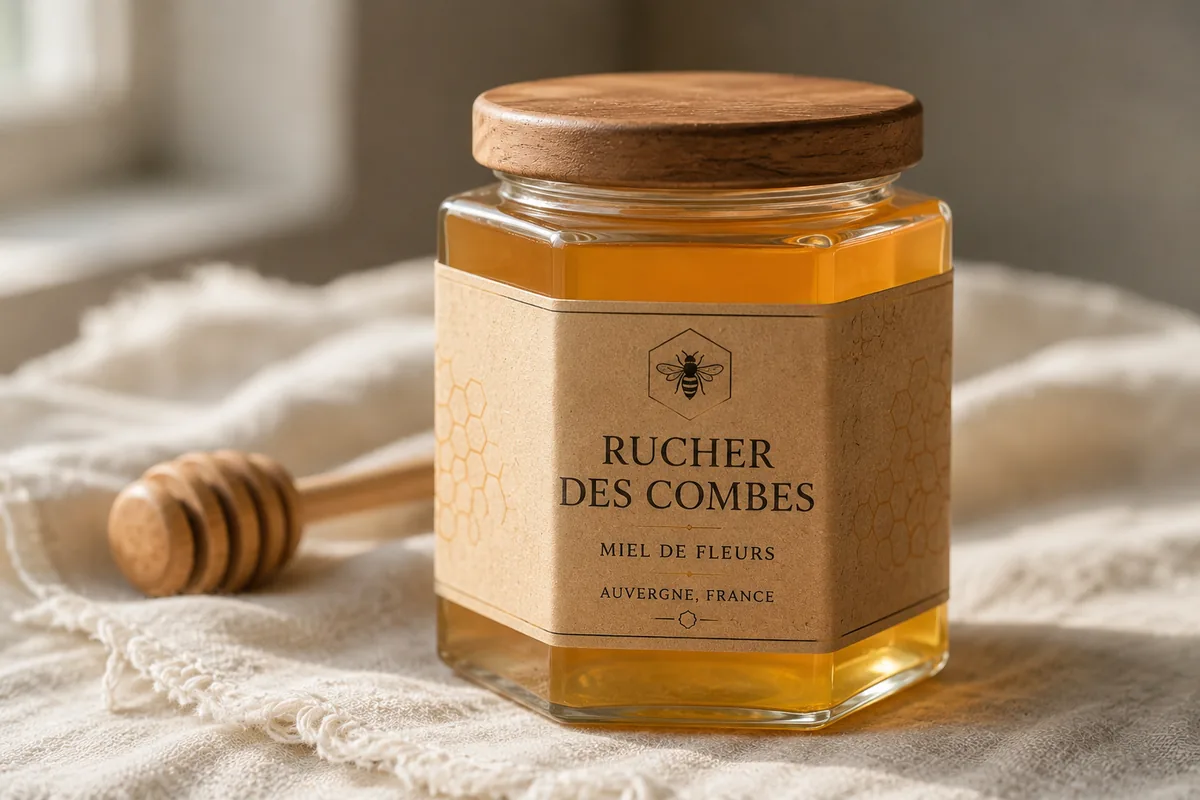
The jar sells the harvest. The label sells the jar.
The short answer: kraft and plant-fibre papers for the artisan signal, recycled paper for the eco range, laminated or synthetic if the jars see a fridge or a humid cellar. Food-grade adhesive as standard, and a certified direct-contact range when the label touches the food itself. From 100 labels per design.
The pantry range
Papers you can almost smell
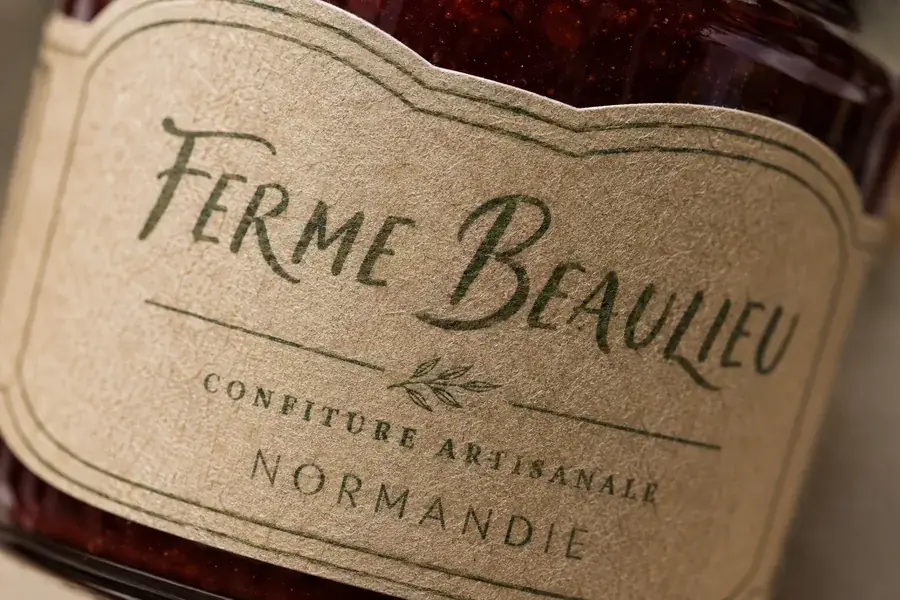
Natural kraft
Warm brown, visible fibres. The default for honey, jam and farm shops.
from €205 / 100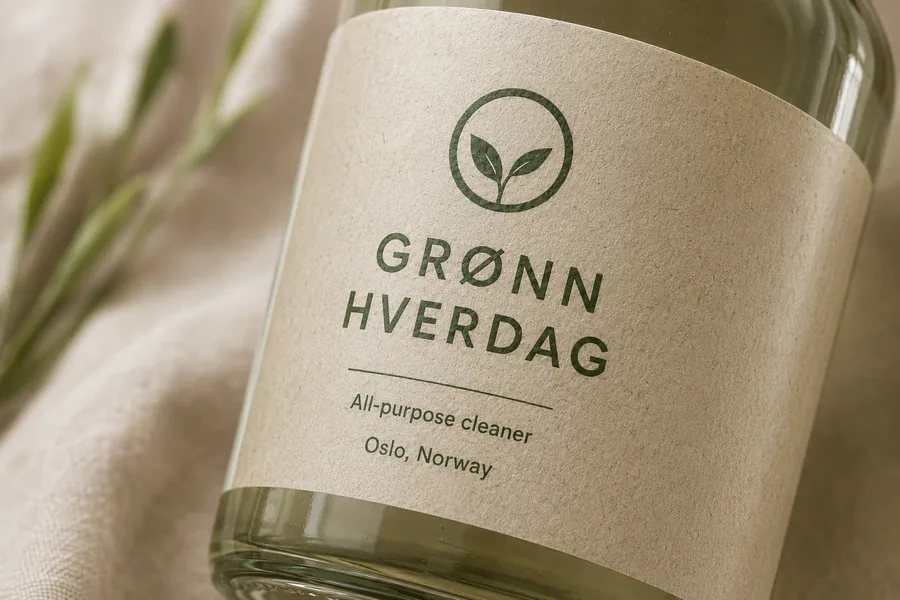
Sugarcane fibre
Off-white, soft matte, made from bagasse — the residue of sugar production.
from €170 / 100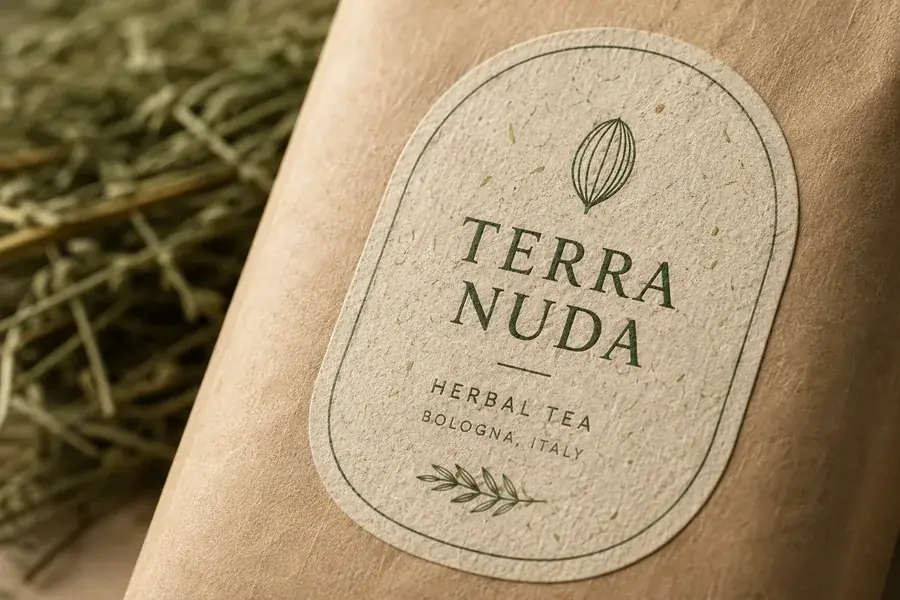
Grass paper
Pale green flecks of dried grass in the sheet. Unmistakably natural, and it shows without a single claim printed on it.
from €243 / 100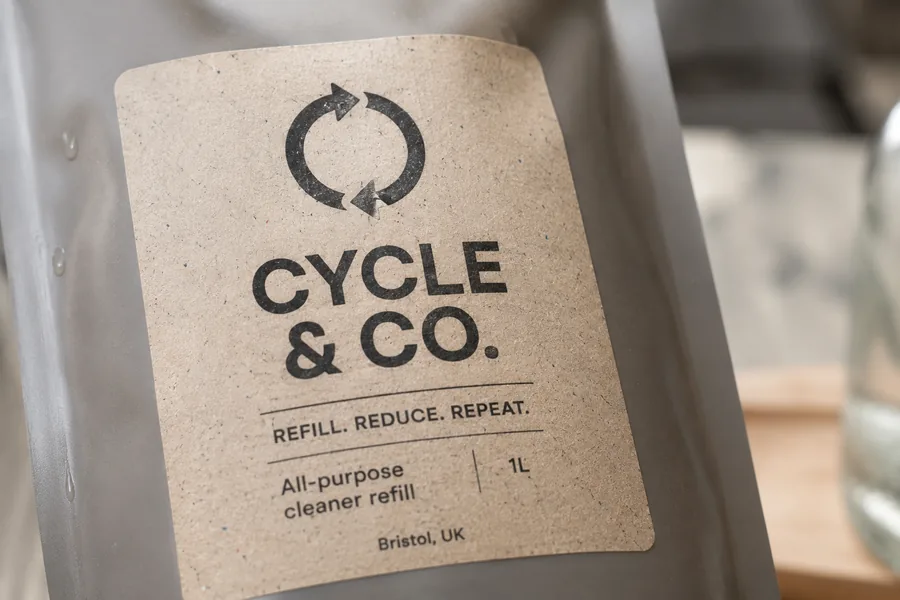
Recycled paper
Grey-beige with darker specks. Honest, and the cheapest way to look like it.
from €212 / 100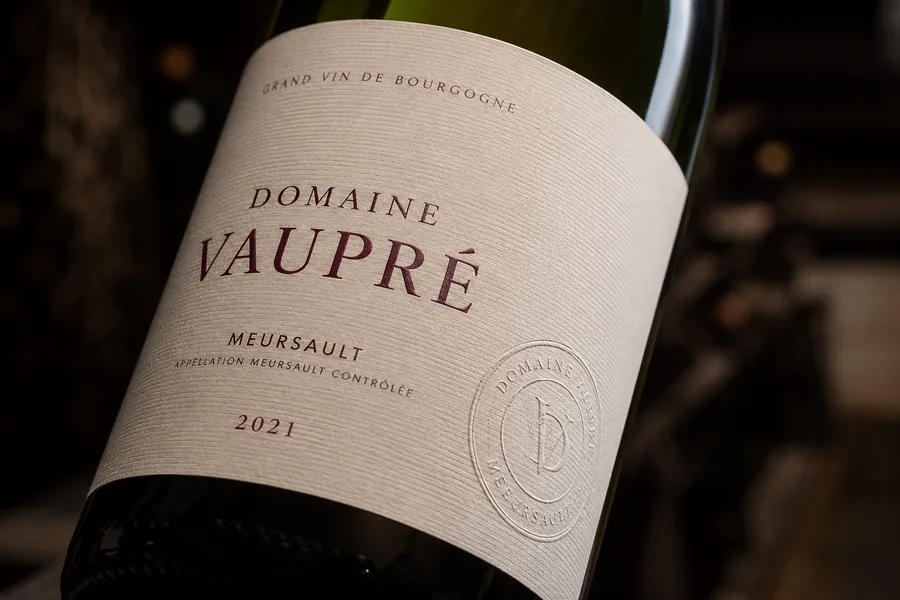
Laid paper
Fine parallel ribbing, cream or white. For preserves that sit next to the wine.
from €205 / 100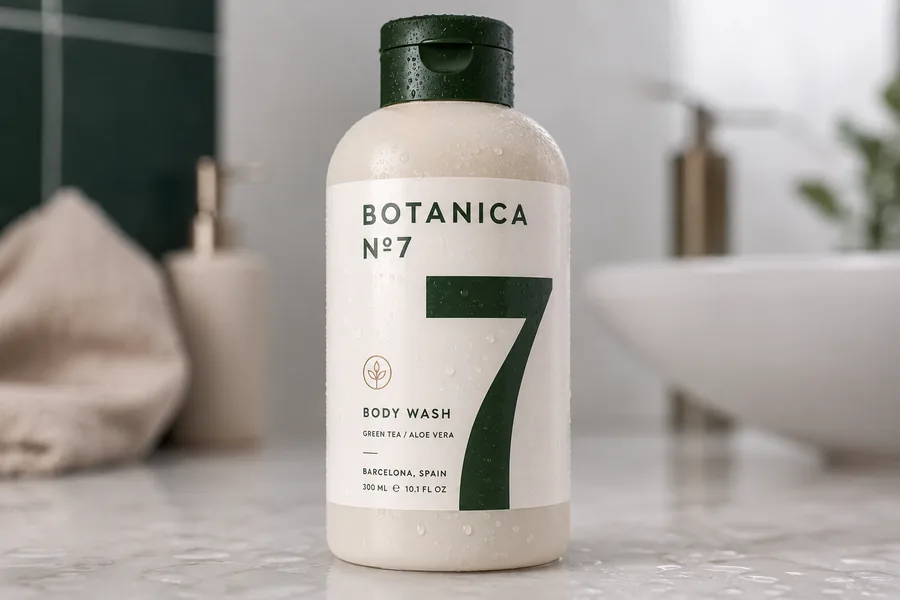
White polypropylene
When the jars go into a chilled display or a damp cellar and paper would cockle.
from €196 / 100Formats
Measure the flat area, not the jar
| Jar | Label | Typical size | Note |
|---|---|---|---|
| Honey 250 g | Front | 60 × 50 mm | Leave the shoulder free |
| Honey 500 g | Front | 80 × 60 mm | The most common jar in farm shops |
| Jam 220 g | Front | 55 × 55 mm | Square reads well on a short jar |
| Any jar | Lid label | Ø 45 – 60 mm | Round die, no extra tooling charge |
| Any jar | Neck band | 35 × 30 mm | Batch, date, or a simple seal |
| Terrine / Le Parfait | Front | 75 × 55 mm | Wide flat face, generous format possible |
Rule of thumb: a label wider than a third of the jar's circumference will crease at its edges. Round, oval and custom shapes are cut at no extra tooling cost.
Regulation
What has to be on the jar
For honey sold in the EU: the name, the net weight, the country of origin of the harvest, the best-before date and a lot number. Since 2024 blended honeys must list every country of origin, in descending order — a change that has forced a lot of relabelling. For jams: the fruit content and the sugar content per 100 g.
We print what your artwork carries; this page is a reminder, not legal advice. Our food labelling guide goes into detail.
- Material
- Natural kraft
- Size
- 80 × 60 mm
- Finish
- None (uncoated)
- Variable data
- Lot + harvest year
- Quantity
- 1 000 labels
- Adhesive
- Permanent, food-grade
An example of a real order. Quantities are not capped — we print from a hundred pieces to several million.
FAQ
Jar labels — what producers ask us
Which paper suits a honey or jam jar?
Natural kraft and plant-fibre papers (sugarcane, grass paper) carry the artisan signal buyers expect on a jar, and their slightly rough surface takes dark inks beautifully. Recycled paper with visible flecks works for the same reason. If your jars are filled hot or stored in a cold room, ask for a laminated coated paper or a synthetic instead — humidity is the real enemy, not the jar.
Will the label survive a jar that has been in the fridge?
An uncoated paper label will absorb condensation and cockle. For jars that go in and out of a fridge or a chilled display, choose a laminated paper or a white polypropylene film, with a permanent adhesive rated for cold application.
Are the labels safe for food jars?
Labels applied to the outside of a closed glass jar are not in direct food contact, so a standard food-grade adhesive is sufficient — that is what we supply as standard. If the label touches the food itself, use our certified direct-contact range instead.
What size should a jar label be?
For a 250 g honey jar, front labels commonly run 60 × 50 mm to 75 × 55 mm; for a 500 g jar, 80 × 60 mm. Round lid labels are typically 45 to 60 mm in diameter. Measure the flat area of the jar, not its full circumference.
Can I use one design across several jar sizes?
You can, but each size is a separate run with its own die. Many producers keep one design and order two sizes at once — the second size only carries its own setup, and both ship together.
Also in this range: varnished labels keep a printed jar label clean on the shelf, and blank specialty stocks let small producers print short runs in-house on the same textured papers.
Free quote
Describe your labels — a specialist answers within 2 working hours
Material, size, quantity, container, constraints: a few lines are enough. You get a firm price, or our questions, by e-mail.
From one hive to a hundred jars.
Choose your paper and your size — the price appears instantly, from 100 labels.